
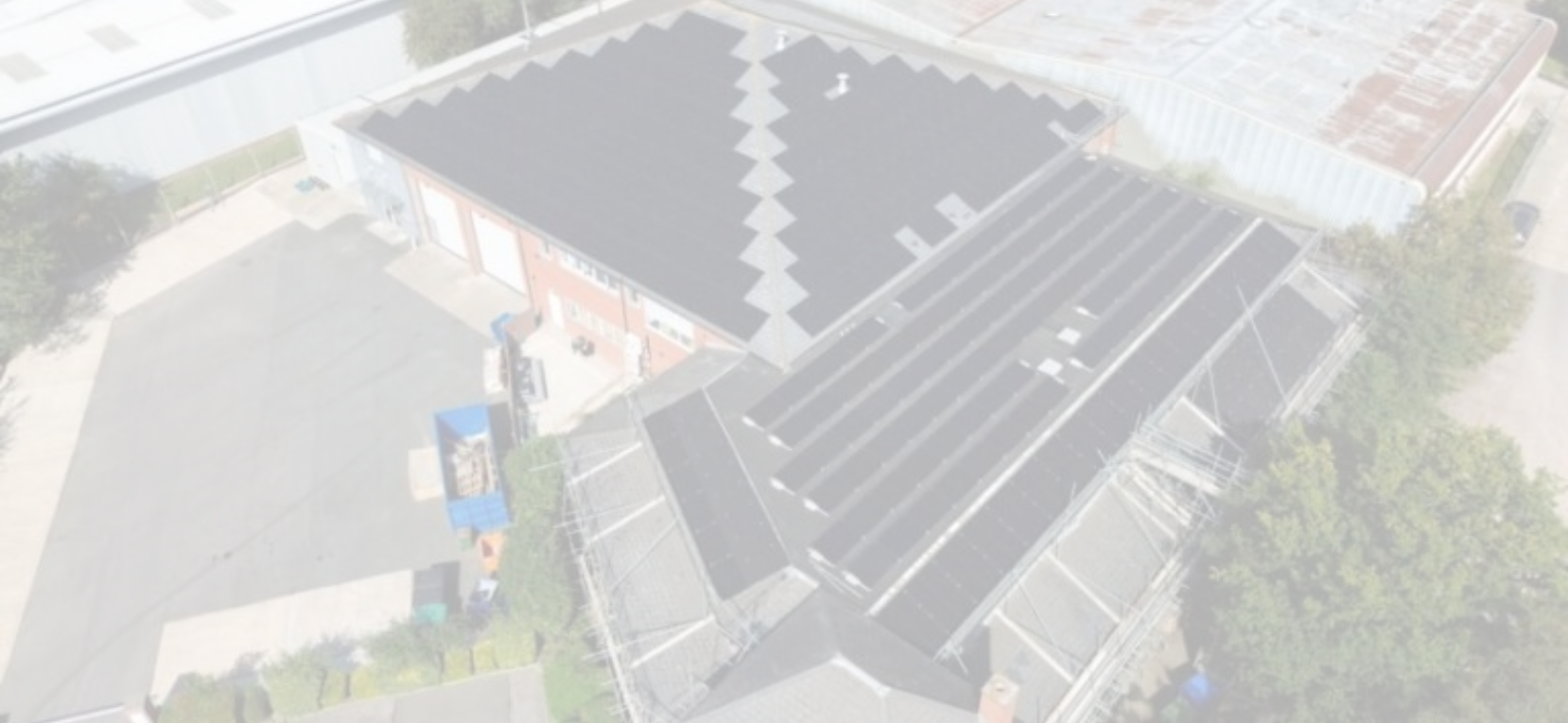
Warehouses and distribution centres are among the most suitable commercial buildings for solar PV. Large roof areas, consistent daytime electricity demand and long operating hours create excellent conditions for generating renewable electricity on site while reducing dependence on the grid.
As energy costs continue to influence operating margins, many warehouse operators are investing in commercial solar as part of a wider strategy to improve cost certainty, strengthen energy resilience and support sustainability objectives.
Whether operating a regional distribution centre, national logistics hub or industrial warehouse, commercial solar can transform underused roof space into a long-term business asset.
Why Warehouses Are Well Suited to Commercial Solar
Modern warehouse buildings typically offer large, unobstructed roof areas capable of supporting substantial solar PV installations.
Unlike many commercial premises, warehouses often consume significant amounts of electricity throughout the working day, allowing a high proportion of the renewable energy generated to be used immediately on site. This is particularly beneficial because electricity consumed directly from a solar installation generally delivers greater financial value than electricity exported to the grid.
Combined with long building lifespans and stable occupancy, these characteristics make warehouses particularly attractive for long-term renewable energy investment.
Understanding Warehouse Energy Demand
Although warehouses may not always have the highest energy intensity per square metre, their overall electricity consumption can be considerable due to the scale of their operations.
Electricity is commonly used to power warehouse lighting, conveyor systems, automated handling equipment, refrigeration, ventilation, office accommodation, security systems and increasingly, electric vehicle and forklift charging infrastructure.
As warehouse automation continues to increase, electricity demand is expected to become an even more important operational consideration.
Commercial solar enables businesses to generate a proportion of this electricity on site, reducing reliance on imported energy while improving long-term cost control.
Reducing Operating Costs
For many logistics businesses, electricity represents one of the largest controllable operating expenses.
Commercial solar reduces the amount of electricity purchased from the grid, helping organisations lower operating expenditure while improving budget certainty.
Because warehouse operations often coincide with daylight hours, many facilities are able to consume a significant proportion of the renewable electricity generated, strengthening the financial performance of the installation.
Over the lifetime of the system, these savings can make a substantial contribution to overall profitability.
Supporting Sustainability Across the Supply Chain
Environmental performance has become increasingly important within the logistics sector.
Customers, investors and procurement teams are placing greater emphasis on carbon reduction and sustainable operations, with many organisations seeking to reduce emissions throughout their supply chains.
Commercial solar enables warehouse operators to reduce operational carbon emissions while demonstrating measurable progress towards wider ESG and Net Zero objectives.
For organisations operating multiple distribution facilities, renewable energy can form an important part of a broader sustainability strategy.
Making Better Use of Commercial Roof Space
Warehouse roofs represent one of the largest unused assets on many commercial sites.
Rather than remaining unproductive, these roof areas can generate renewable electricity every day throughout the operational life of the building.
By converting available roof space into an energy-generating asset, businesses can improve the overall value and performance of their property while reducing long-term operating costs.
Battery Storage Can Further Improve Performance
Commercial battery storage is becoming an increasingly popular addition to warehouse solar installations.
By storing surplus renewable electricity for use later in the day, battery systems can increase self-consumption, reduce peak demand charges and improve operational resilience.
Battery storage may be particularly beneficial for warehouses operating extended shifts, overnight loading operations or electric vehicle fleets, although every project should be assessed individually to determine whether battery storage offers the strongest financial return.
Funding Commercial Solar
Commercial solar can be delivered through a range of funding models, allowing organisations to select an approach that aligns with their financial strategy.
Depending on operational objectives, projects may be delivered through capital expenditure, asset finance, leasing or Solar Power Purchase Agreements (PPAs).
A detailed feasibility study should evaluate not only the technical suitability of the building but also the most appropriate procurement model for the organisation.
Can Solar Be Installed on Leased Warehouses?
Yes. Many commercial solar projects are successfully delivered on leased premises.
Where the building is occupied by a tenant, the installation typically requires agreement between the property owner, the occupier and, where applicable, any funding provider involved in the project.
Early engagement between all parties helps establish the most appropriate commercial and legal arrangements before detailed design work begins.
Why Engineering Matters
Warehouse solar projects often involve far more than installing solar panels.
Roof construction, structural loading, electrical infrastructure, grid connection capacity and future operational requirements all influence how a system should be designed.
An engineering-led approach ensures the installation is tailored to the building’s operational profile while providing flexibility for future expansion, battery storage or electric vehicle charging infrastructure if required.
Designing the right system from the outset is essential to achieving the strongest long-term financial performance.
How Silvercrest Energy Group Supports Warehouse Operators
Silvercrest Energy Group designs and installs bespoke commercial solar PV systems for warehouses, logistics operators and distribution centres across the UK.
Our services include commercial feasibility studies, structural assessments, energy analysis, financial modelling, bespoke system design, grid connection support, professional installation and long-term operations and maintenance.
Every project is engineered around the operational requirements of the facility, ensuring renewable energy delivers measurable financial, operational and environmental value throughout its lifetime.
Final Thoughts
Warehouses and distribution centres offer some of the strongest opportunities for commercial solar in the UK.
Large roof areas, predictable electricity demand and long operational lifespans create ideal conditions for generating renewable electricity while reducing operating costs and strengthening long-term energy resilience.
A professional feasibility study is the first step in understanding how your warehouse could benefit from commercial solar and ensuring the system is designed to deliver the greatest possible return on investment.
Frequently Asked Questions
Are warehouses suitable for commercial solar?
Yes. Large roof areas, consistent daytime electricity demand and long building lifespans often make warehouses excellent candidates for commercial solar installations.
Can battery storage improve warehouse solar performance?
Battery storage can increase self-consumption, reduce peak demand charges and improve operational resilience, particularly for facilities with extended operating hours or electric vehicle charging.
Can leased warehouses have solar panels?
Yes. Commercial solar can often be installed on leased premises, provided the appropriate agreements are in place between the landlord, tenant and any funding provider.
How long does warehouse solar take to pay for itself?
Every project is different, but many professionally designed commercial solar systems achieve payback within a number of years depending on electricity consumption, system design and funding arrangements.
How do I know if my warehouse is suitable?
A professional feasibility study will assess roof suitability, structural capacity, electricity demand and financial objectives before recommending the most appropriate solution.