Commercial solar projects are not always delivered in a single phase. Budget cycles, funding availability, business growth and changing energy requirements often mean organisations expand their renewable energy systems over time rather than installing their full capacity from the outset.
Planning for that future expansion during the initial design stage can significantly reduce the cost, complexity and disruption of later phases.
This guide explains why scalable system design is becoming an increasingly important consideration for commercial solar projects and how forward-thinking engineering can help organisations maximise long-term value.
Designing Beyond Today’s Requirements
One of the most common misconceptions about commercial solar is that the system should only be designed around current requirements.
In reality, many organisations expect their energy demand to increase over time. New buildings, electric vehicle charging, battery storage, heat pumps and operational growth can all increase electricity consumption over the lifetime of a building.
Designing for future expansion allows the original infrastructure to accommodate these changes without requiring significant alterations later.
Rather than treating each phase as a separate project, the installation is engineered as part of a longer-term energy strategy.
What Future-Proof Design Can Include
Future expansion is often achieved through careful engineering decisions made during the initial installation.
Depending on the project, this may include selecting inverter capacity that can accommodate future solar generation, installing additional DC infrastructure, allowing for future communication networks and designing electrical systems that can support later expansion.
Although these measures may represent a relatively small additional investment during the first phase, they can significantly reduce the cost and disruption associated with future upgrades.
A Real Example from the Education Sector
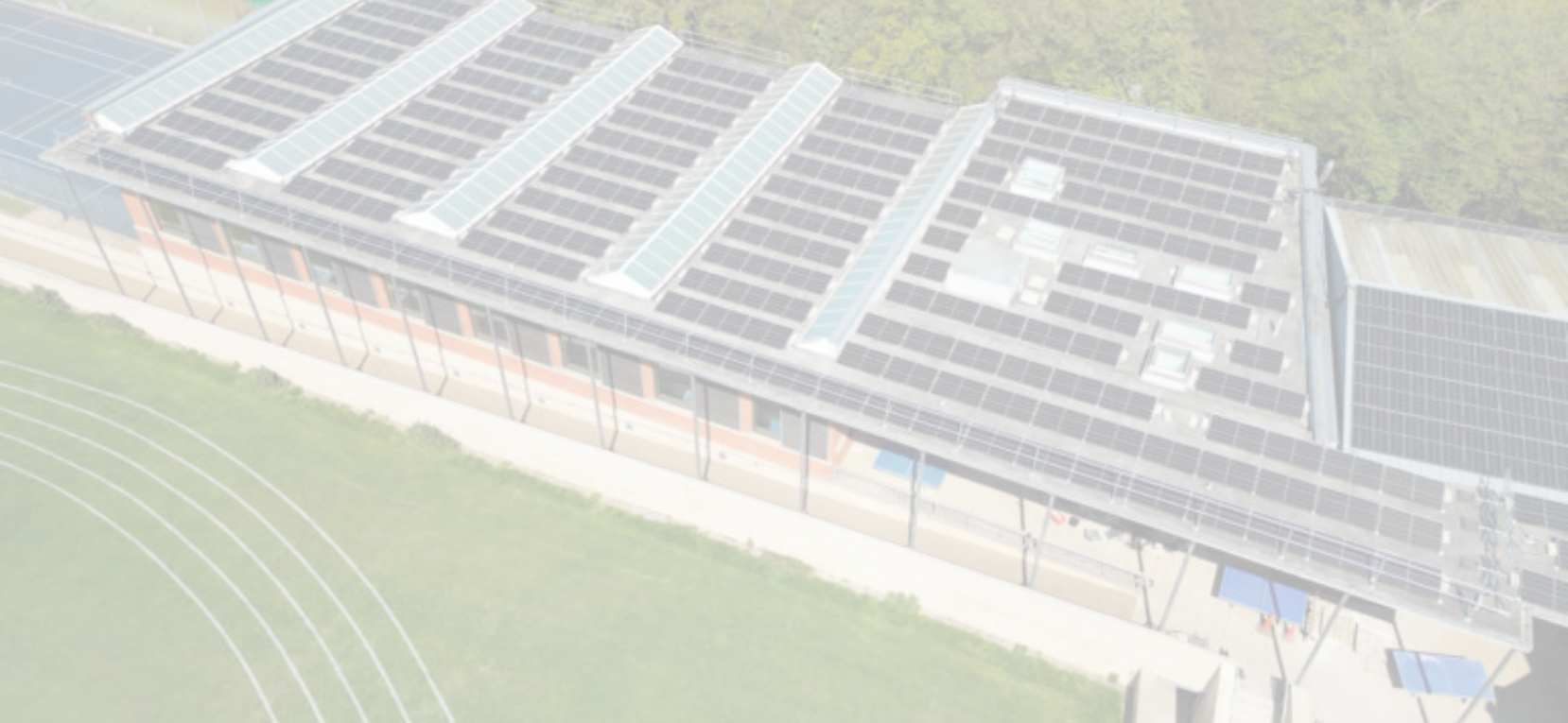
A good example of this approach can be seen at Bancroft School in Essex.
During the initial phase of the school’s commercial solar installation, the available budget did not allow every planned solar module to be installed immediately. Rather than designing a system that would require major reconstruction in the future, Silvercrest Energy Group engineered the infrastructure with later expansion in mind.
The initial installation included appropriately sized SolarEdge equipment, provision for additional DC strings and the communications infrastructure required to support future capacity.
When additional funding became available two years later, the system could be expanded without replacing major equipment or redesigning the electrical infrastructure. The original engineering decisions enabled the additional solar capacity to be integrated efficiently while minimising disruption to the school.
This demonstrates how thoughtful design can protect long-term investment and simplify future development.
The Importance of Scalable Engineering
Modern commercial solar systems should be designed to support the operational requirements of tomorrow as well as those of today.
A scalable design can provide organisations with greater flexibility to respond to changing energy demands, future sustainability initiatives and available funding opportunities.
It also enables renewable energy infrastructure to evolve alongside the organisation, avoiding unnecessary replacement of equipment that has already been installed.
This engineering-led approach often delivers better long-term value than designing only for immediate requirements.
Why SolarEdge Technology Supports Future Expansion
The choice of equipment can also influence how easily a commercial solar installation can be expanded.
SolarEdge technology offers considerable flexibility when designing larger commercial systems, allowing engineers to plan for future growth where appropriate.
Depending on the specific project and system configuration, SolarEdge inverters can often accommodate significantly greater installed PV capacity than their nominal AC rating, enabling phased installations to be developed without immediately replacing major electrical infrastructure.
Every project should be engineered individually to ensure compliance with the manufacturer’s design guidance and the operational requirements of the building.
Which Organisations Benefit Most?
Future-proof system design can be valuable for many organisations, particularly where projects are likely to be delivered in phases.
This approach is commonly adopted by:
- Schools, colleges and universities
- Commercial property owners
- Manufacturers and warehouses
- Public sector organisations
- Charities and community buildings
- Multi-site businesses planning long-term investment programmes
Where funding or operational requirements evolve over time, designing for expansion can significantly improve the overall return on investment.
How Silvercrest Energy Group Designs for the Future
Silvercrest Energy Group approaches every commercial solar project as a long-term infrastructure investment.
Our engineers consider not only current electricity demand but also future operational requirements, allowing systems to be designed with expansion, battery storage, electric vehicle charging and wider energy strategies in mind where appropriate.
By integrating long-term thinking into the design process, we help organisations reduce future installation costs while protecting the value of their original investment.
Final Thoughts
Commercial solar systems should not simply meet today’s energy requirements—they should also support tomorrow’s ambitions.
Designing for future expansion allows organisations to increase renewable energy generation as budgets, funding and operational needs evolve, without unnecessarily replacing infrastructure that has already been installed.
Whether the next phase takes place in two years or ten, careful engineering at the outset can make future expansion faster, more economical and considerably less disruptive.
Frequently Asked Questions
Can a commercial solar system be expanded later?
Yes. Many commercial solar installations can be designed to accommodate future expansion, provided this is considered during the original engineering stage.
Is it cheaper to design for expansion from the beginning?
In many cases, yes. Installing suitable infrastructure during the initial project can reduce the cost and complexity of future upgrades.
Do all inverters allow future expansion?
Different manufacturers have different design capabilities. The suitability of any inverter for phased expansion should always be assessed as part of the engineering design.
Why would an organisation install solar in phases?
Projects are often delivered in stages due to funding availability, capital expenditure planning, operational requirements or future business growth.
How do I know whether future-proof design is appropriate for my building?
A professional feasibility study will assess your current electricity demand, future operational plans and available infrastructure before recommending the most appropriate system design.