
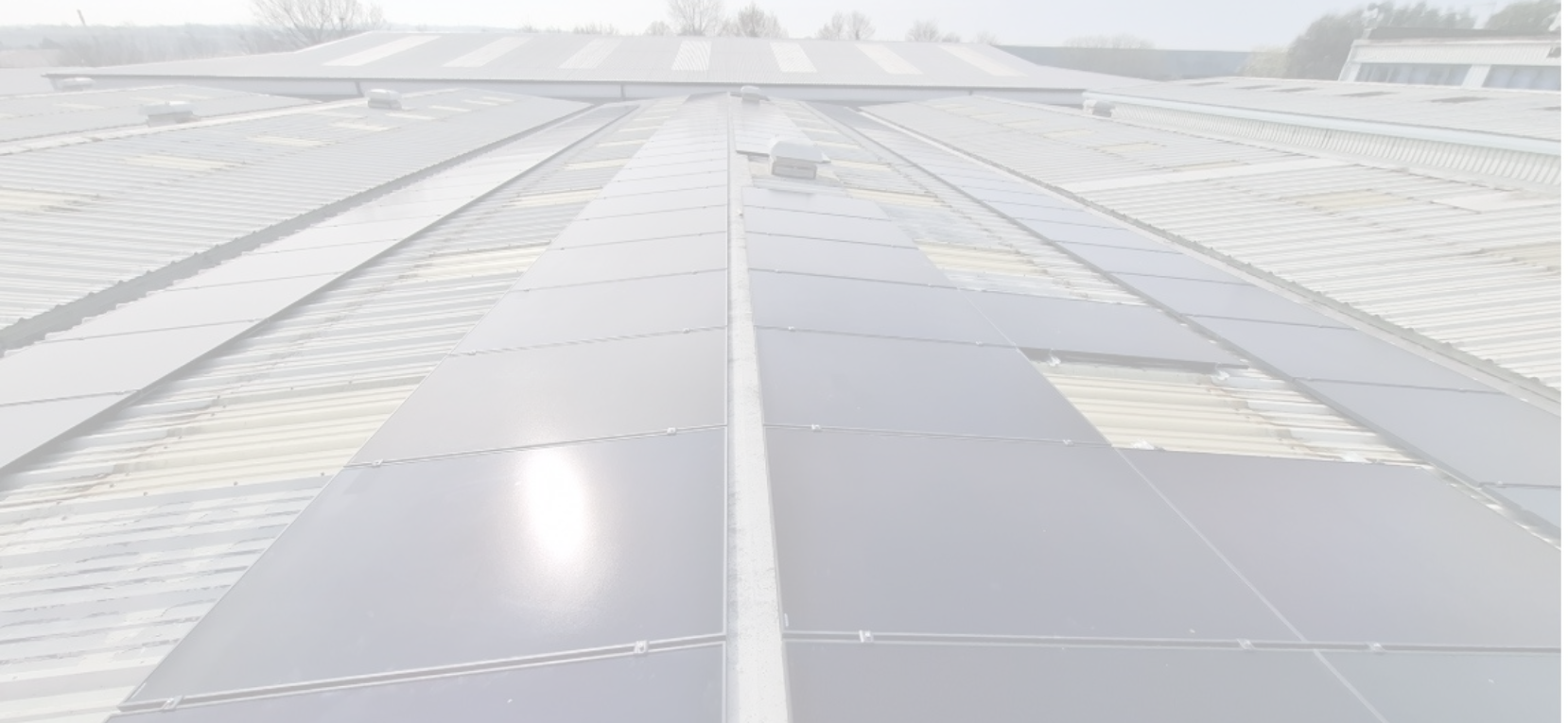
Energy costs have become one of the most unpredictable operating expenses facing UK businesses.
Although wholesale electricity markets have stabilised compared with the peak volatility experienced in recent years, prices continue to fluctuate in response to global events, network constraints and changes in energy policy. For organisations with significant electricity demand, this uncertainty can make financial planning increasingly difficult.
Commercial solar offers a practical way to reduce that exposure. By generating renewable electricity on site, businesses can take greater control of their energy costs, improve operational resilience and reduce their dependence on fluctuating grid prices.
This guide explains how commercial solar helps organisations manage energy price volatility and why more businesses are treating renewable energy as a strategic investment rather than simply an environmental initiative.
Why Energy Price Volatility Matters
Electricity is a fundamental operating cost for many commercial organisations.
Manufacturing facilities, warehouses, offices, schools, healthcare providers and public sector buildings all rely on a consistent electricity supply to support day-to-day operations. When electricity prices rise unexpectedly, those increases can quickly affect operating margins, cash flow and long-term budgeting.
Unlike many other business costs, electricity prices are influenced by factors that individual organisations cannot control, including wholesale energy markets, international supply chains, infrastructure constraints and government policy.
Reducing dependence on these external factors has therefore become an important objective for many businesses.
Generating Electricity on Site
Commercial solar changes the way organisations purchase electricity.
Rather than relying entirely on imported electricity from the grid, businesses can generate a proportion of their own energy directly from their building. During daylight hours, renewable electricity can be used immediately to support day-to-day operations, reducing the amount of electricity that needs to be purchased from energy suppliers.
This allows organisations to reduce their exposure to fluctuating market prices while creating greater certainty over a significant proportion of their future electricity costs.
For many businesses, this represents a fundamental shift from managing energy as an uncontrollable expense to treating it as an operational asset.
Improving Financial Predictability
One of the greatest commercial benefits of solar is improved budget certainty.
Once installed, a commercial solar PV system continues generating renewable electricity for decades, allowing businesses to forecast a proportion of their future energy costs with much greater confidence.
This improved predictability supports financial planning, investment decisions and long-term operational budgeting, particularly for organisations where electricity represents a significant proportion of operating expenditure.
Instead of reacting to changing electricity prices every time a supply contract is renewed, businesses gain greater control over one of their largest recurring costs.
Building Greater Energy Resilience
Commercial solar also contributes to wider operational resilience.
When combined with battery storage, organisations can store surplus renewable electricity for use later in the day, reducing dependence on imported electricity during periods of high demand or elevated electricity prices.
For some organisations, battery storage can also provide additional protection against short-term power interruptions while helping reduce peak demand charges and improving overall energy efficiency.
Every project should be assessed individually to determine whether battery storage forms part of the most effective long-term energy strategy.
Supporting Long-Term Business Strategy
Managing energy costs is no longer simply a facilities management issue.
For many organisations, energy strategy now forms part of wider business planning, influencing investment decisions, sustainability programmes and operational resilience.
Commercial solar can support these objectives by reducing operating costs, lowering operational carbon emissions and demonstrating measurable progress towards environmental commitments.
These benefits are becoming increasingly important as customers, investors and supply chain partners place greater emphasis on sustainable business practices.
The Importance of Professional System Design
The level of protection a business receives from commercial solar depends on far more than the number of panels installed.
Electricity demand, operating hours, roof suitability, future expansion plans and available funding all influence how a system should be designed.
A professional feasibility study enables engineers to analyse these factors before recommending the most appropriate system size, ensuring the installation delivers the strongest operational and financial performance over its lifetime.
Well-designed systems are engineered around how a business actually uses electricity—not simply around the amount of available roof space.
How Silvercrest Energy Group Supports Commercial Organisations
Silvercrest Energy Group designs and installs bespoke commercial solar PV systems that help organisations reduce exposure to rising energy costs while improving long-term operational performance.
Our services include feasibility studies, energy analysis, financial modelling, bespoke system design, battery storage integration, professional installation and long-term operations and maintenance.
Every recommendation is based on the operational requirements of the organisation, ensuring renewable energy delivers measurable commercial value for years to come.
Final Thoughts
Energy price volatility is likely to remain a long-term consideration for UK businesses.
While no organisation can control wholesale energy markets, businesses can reduce their exposure by generating more of their own electricity on site.
Commercial solar provides greater cost certainty, improved operational resilience and stronger long-term financial performance, allowing organisations to take a more strategic approach to managing one of their most important operating expenses.
Frequently Asked Questions
Can commercial solar protect my business from rising electricity prices?
Commercial solar can reduce the amount of electricity your business purchases from the grid, helping limit exposure to future price increases.
Does commercial solar eliminate electricity bills?
No. Most organisations continue to import some electricity from the grid, but commercial solar can significantly reduce overall consumption depending on how the system is designed and how the building uses electricity.
Does battery storage help manage energy prices?
Battery storage can increase self-consumption of renewable electricity, reduce peak demand charges and improve operational resilience, although its suitability depends on the organisation’s energy profile.
Which businesses benefit most from commercial solar?
Manufacturers, warehouses, logistics operators, offices, schools, healthcare providers and many other organisations with significant daytime electricity demand can all benefit from commercial solar.
How can I find out how much my business could save?
A professional feasibility study will assess your electricity usage, building suitability and operational requirements before modelling projected savings, return on investment and long-term financial performance.