
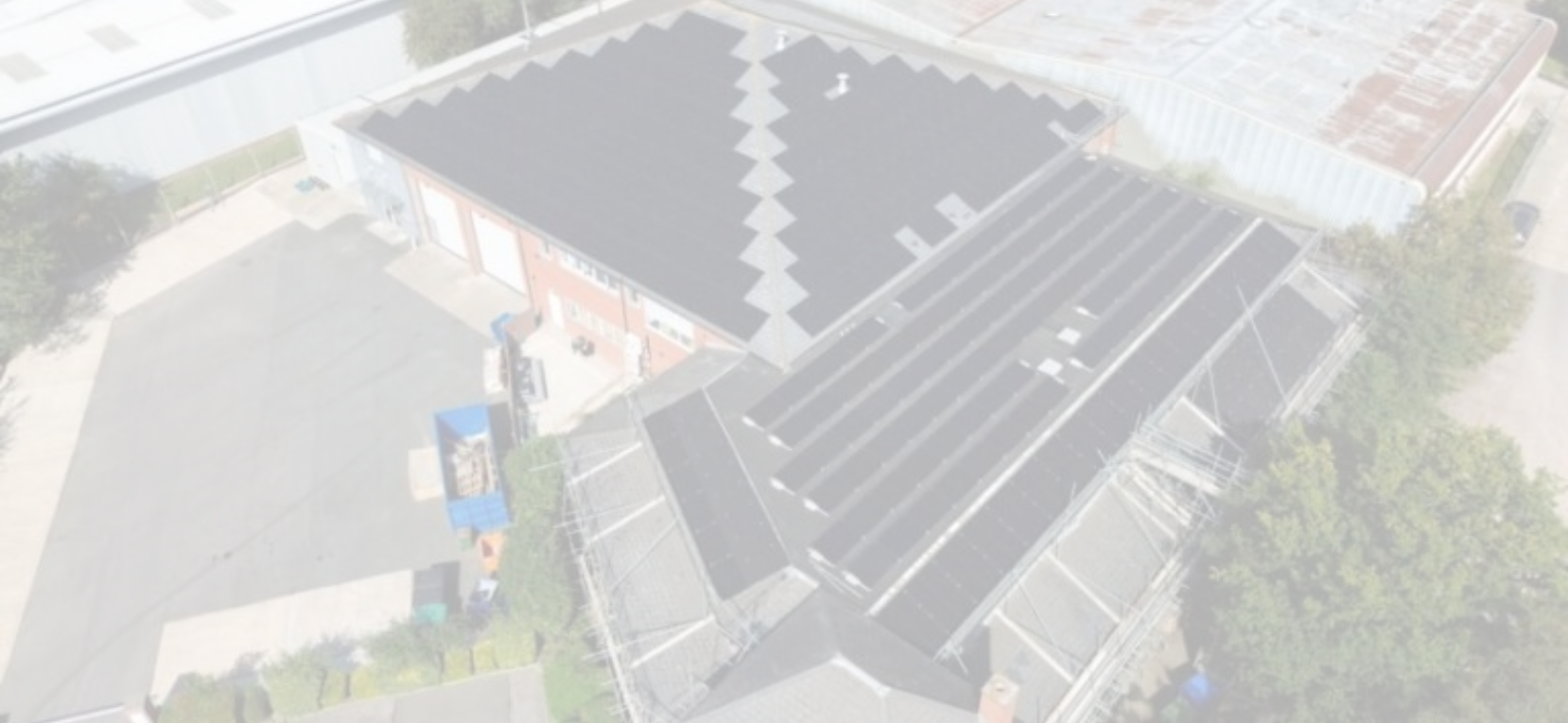
The rapid growth of e-commerce has dramatically increased for demand for warehouse and logistics facilities across the South East – including Essex, Kent and Suffolk. As retailers expand their distribution networks and fulfilment centres operate around the clock, energy consumption has become a major operational cost.
For warehouse operators, distribution centres and logistics businesses, solar photovoltaics (PV) systems provide a practical way to reduce electricity costs while improving sustainability credentials.
With their large roof areas, consistent daytime electricity demand and long operating hours, warehouses are among the most suitable commercial buildings for solar energy generation.
Silvercrest Energy specialises in commercial solar installations for warehouses and industrial facilities across Essex, Kent, Suffolk and the wider South East, helping businesses turn unused roof space into a valuable energy asset.
Why Warehouses Are Ideal for Solar PV
Warehouses and distribution centres typically have several characteristics that make them highly suitable for solar installations. Their large, unobstructed roofs, high daytime electricity consumption and long term occupancy make sure investment suitable for solar. Rising operational costs, ensure solar PV is financially viable for warehouses and distribution centres.
These factors mean warehouse operators can often generate a significant proportion of their electricity on site, reducing reliance on the grid. For logistics companies managing tight margins, solar energy can deliver predictable energy costs and long term savings.
Energy Use in Warehouses
Although warehouses are generally less energy intensive than many other commercial buildings, their total electricity consumption can still be substantial due to their size. Typical warehouse energy demand comes from:
Lighting
Lighting is usually the largest electricity load in warehouse facilities, particularly in buildings operating long hours or 24/7.
Handling Equipment
Electric forklifts, conveyors and automated systems contribute significantly to daily electricity consumption.
Heating and Ventilation
Large buildings require ventilation and temperature management to maintain safe working conditions.
Office and IT Infrastructure
Distribution centres often include administrative offices, server equipment and security systems.
As a large portion of this energy demand is electric rather than gas based, solar PV can directly offset a significant percentage of consumption.
Key Benefits of Solar Panels for Warehouses
Installing solar panels on a warehouse or distribution centre offers several commercial advantages.
Lower Electricity Costs
Solar panels generate free electricity during daylight hours, reducing the amount of power you need to buy from the grid. For warehouses operating during the day, this can translate into substantial reductions in energy bills over the lifetime of the system.
Protection from Rising Energy Prices
Electricity costs in the UK have experienced significant volatility in recent years. Generating your own power on site allows businesses to stabilise a portion of their energy costs for decades.
Improved Sustainability Credentials
Many logistics companies are under increasing pressure from customers and supply chain partners to reduce carbon emissions. Installing solar panels can significantly reduce your organisation’s carbon footprint and help demonstrate commitment to Net Zero targets and ESG goals.
Making Use of Unused Roof Space
Warehouse roofs often represent thousands of square metres of unused space. Solar panels allow businesses to convert this dead space into a productive asset that generates electricity every day.
Enhancing Property Value
Commercial buildings with renewable energy infrastructure are becoming increasingly attractive to tenants and investors, particularly as sustainability requirements tighten.
Combining Solar with Energy Efficiency
Solar energy works even better when paired with other efficiency upgrades.
LED Lighting Upgrades
Since lighting typically accounts for a large share of warehouse electricity use, replacing older lighting systems with modern LED technology can dramatically reduce consumption. Benefits include:
- Lower electricity use
- Improved lighting quality
- Reduced maintenance costs
- Longer lifespan
When combined with solar PV, LED upgrades can maximise overall energy savings across the site.
Smart Lighting Controls
Technologies such as occupancy sensors and daylight harvesting systems can automatically adjust lighting levels based on activity and available natural light, further reducing energy demand.
Solar Financing Options for Warehouses
Mant businesses assume solar requires a large upfront investment, but several financing options are available for commercial projects.
Power Purchase Agreements (PPAs)
A solar PPA allows a third party investor to fund the installation of the solar system. Your business simply purchases the electricity generated at a fixed rate that is typically lower than grid electricity prices. PPAs benefit your business by removing upfront capital costs, providing immediate electricity savings and giving predictable energy pricing for a set period.
Asset Finance or Leasing
Businesses can also install solar through lease finance, spreading the cost of the system over time while benefiting from reduced energy bills.
Direct Purchase
Some companies choose to purchase their solar system outright, delivering the highest long term return on investment and full ownership of the energy asset.
Silvercrest Energy can help businesses explore the most suitable financing structure based on operational needs, building ownership and financial strategy.
Installing Solar on Rented Warehouses
A large proportion of warehouse space in the UK is leased rather than owned. Solar installations are still possible in these situations, provided there is agreement between:
- The building owner
- The occupying tenant
- The solar system owner or investor (of using a PPA)
Our team works with landlords, tenants and investors to ensure the correct agreements are in place before installation.
The Solar Installation Process
At Silvercrest Energy, we manage the entire process from initial assessment through to installation and commissioning.
Initial Consultation
We discuss your warehouse energy usage, operational hours and business objectives.
Desktop Feasibility Study
Our engineers assess the building using satellite data, roof specifications and energy consumption information.
System Design and Proposal
We design a bespoke solar PV system tailored to maximise energy generation and financial returns.
Site Survey
A detailed on site inspection ensures the roof structure, electrical infrastructure and access are suitable for solar installation.
Installation and Commissioning
Our experienced commercial installation teams complete the project safely and efficiently with minimal disruption to operations.
Why Work With Silvercrest Energy?
Silvercrest Energy focuses on commercial renewable energy solutions for businesses across Essex, Kent, Suffolk and the surrounding South East. Our approach prioritises:
- Engineering led system design
- High quality components and installation
- Clear financial modelling
- Long term performance and reliability
We support warehouse operators, logistics companies and industrial facilities in reducing energy costs while moving towards a more sustainable energy future.
Start Your Warehouse Solar Project
If you operate a warehouse or distribution centre in the South East, installing solar panels could significantly reduce your electricity costs and improve your sustainability profile.
Silvercrest Energy provides commercial solar feasibility studies and tailored system designs for logistics and industrial facilities. Contact our team today to discuss how solar could work for your warehouse.