
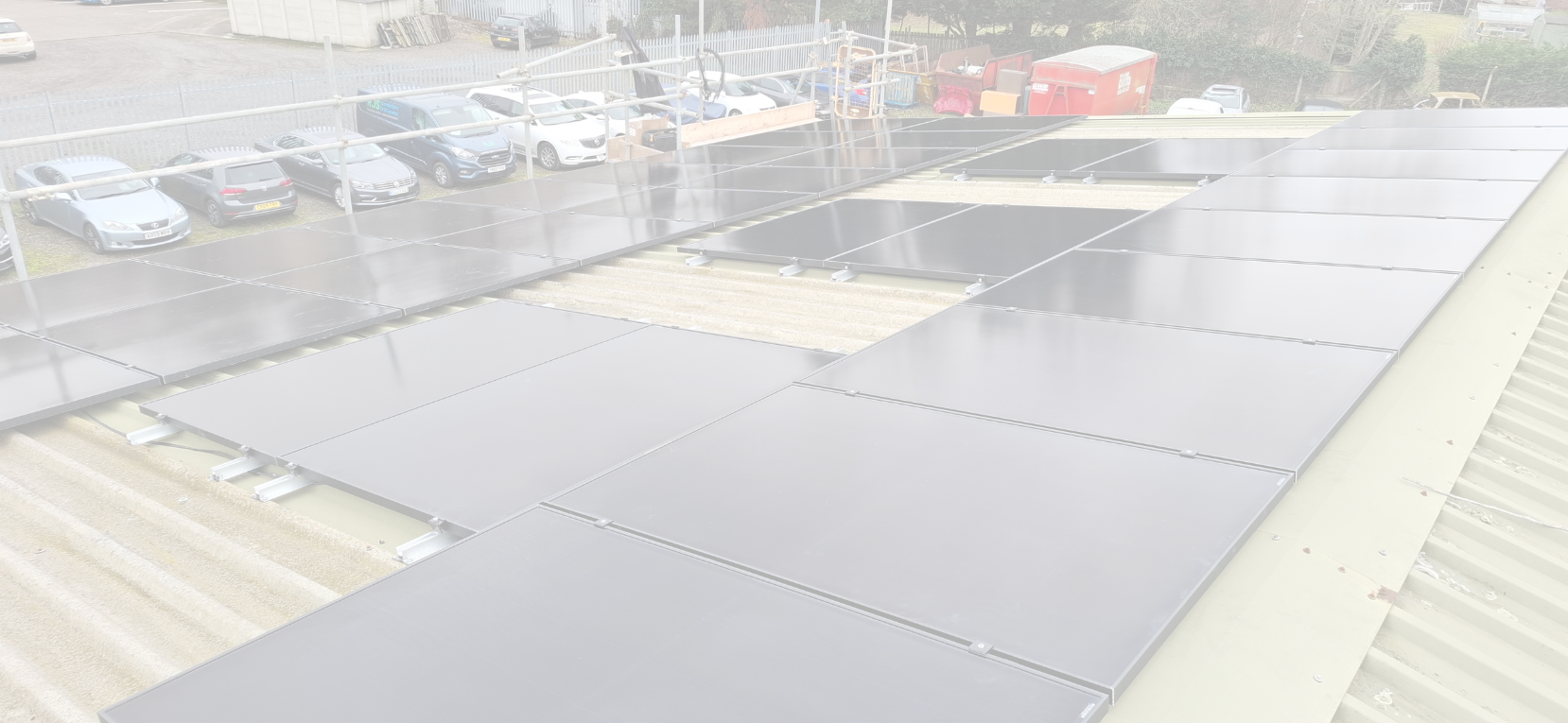
Rising electricity prices, increasing sustainability expectations and greater pressure to improve operational efficiency are changing the way UK organisations manage energy. In 2026, commercial solar is no longer viewed simply as an environmental initiative—it has become a strategic investment that helps businesses reduce operating costs, improve energy resilience and strengthen long-term financial performance.
Across the South East, organisations are investing in commercial solar PV systems to generate clean electricity on site, reduce dependence on the grid and protect themselves against future energy price volatility.
This guide explores why commercial solar adoption continues to grow and what businesses should consider before investing.
Rising Energy Costs Continue to Impact UK Businesses
Although wholesale electricity markets have stabilised since the energy crisis, commercial electricity prices remain significantly higher than historical averages. For organisations with high daytime electricity demand, these costs continue to place pressure on operating budgets.
Commercial solar PV provides a practical way to reduce reliance on imported electricity by generating renewable energy on site.
Typical comparisons include:
- Commercial electricity costs: 20–35p per kWh
- Levelised cost of commercial solar: 6–10p per kWh
Generating electricity on your own premises provides greater cost certainty while reducing exposure to future market volatility.
Faster Return on Investment
Advances in solar technology, together with rising electricity prices, have significantly improved the financial case for commercial solar.
Many UK organisations are now achieving:
- Estimated payback periods of 3–6 years
- System lifespans exceeding 30 years
- Strong long-term returns through reduced operating costs
When supported by detailed financial modelling, commercial solar continues to deliver one of the strongest long-term infrastructure investments available to many organisations.
Commercial Solar Supports Long-Term Business Resilience
Energy resilience has become an important consideration for organisations operating warehouses, manufacturing facilities, offices, schools and public-sector buildings.
Generating electricity on site helps reduce reliance on the grid while improving business continuity during periods of energy market uncertainty.
When combined with commercial battery storage, organisations can also:
- Increase self-consumption of renewable electricity
- Reduce peak demand charges
- Store surplus solar generation for later use
- Improve operational flexibility
Sustainability Has Become a Commercial Priority
Environmental performance is increasingly influencing procurement decisions, investor confidence and supply chain relationships.
Installing commercial solar PV helps organisations:
- Reduce operational carbon emissions
- Support ESG reporting
- Demonstrate progress towards Net Zero objectives
- Strengthen corporate sustainability credentials
For many organisations, sustainability is no longer simply a corporate responsibility initiative—it is becoming an important competitive advantage.
Tax Relief and Flexible Funding Improve Project Viability
Commercial solar projects can benefit from a range of funding and finance options designed to reduce capital barriers.
Depending on the organisation’s financial strategy, businesses may choose:
- Capital Expenditure (CapEx)
- Commercial leasing
- Solar Power Purchase Agreements (PPAs)
- Green finance solutions
These funding models allow organisations to align renewable energy investment with cash flow and long-term financial objectives.
Modern Solar Technology Delivers Greater Performance
Commercial solar technology has advanced considerably over recent years.
Today’s systems benefit from:
- High-efficiency solar PV modules
- Intelligent inverter technology
- Live performance monitoring
- Power optimisation
- Commercial battery integration
These technologies improve energy generation, simplify performance monitoring and maximise long-term return on investment.
Commercial Property Owners Continue to Benefit
Commercial solar is also becoming an attractive investment for landlords and property owners.
Potential benefits include:
- Reduced operating costs
- Improved tenant appeal
- Higher-quality ESG credentials
- Increased asset value
- Support for green leasing strategies
For organisations managing commercial property portfolios, renewable energy can improve both financial and environmental performance.
Low Maintenance, Long-Term Performance
Commercial solar PV systems contain very few moving parts, making them highly reliable over their operational lifetime.
Routine maintenance generally consists of:
- Periodic visual inspections
- Electrical testing
- Performance monitoring
- Occasional cleaning where appropriate
With professional operations and maintenance support, commercial solar systems are designed to provide reliable renewable energy generation for decades.
Why the South East Remains an Excellent Location for Commercial Solar
The South East continues to provide some of the strongest solar generation potential in the UK.
Businesses across Essex, Kent, Suffolk and the surrounding counties benefit from:
- Higher-than-average annual sunlight hours
- Significant daytime electricity demand
- Strong commercial and industrial infrastructure
- Excellent opportunities for on-site energy consumption
These factors help maximise system performance and improve long-term financial returns.
Is 2026 the Right Time to Invest?
For many organisations, the financial and operational case for commercial solar has never been stronger.
However, every project is different.
The most successful commercial solar installations begin with a detailed feasibility study that considers:
- Building suitability
- Roof construction
- Energy consumption patterns
- Grid connection requirements
- Financial objectives
- Future expansion plans
A professionally engineered solution ensures every system is designed to deliver maximum long-term value.
How Silvercrest Energy Group Supports Commercial Organisations
Silvercrest Energy Group provides fully managed commercial solar solutions across the UK.
Our services include:
- Commercial feasibility studies
- Detailed ROI and financial modelling
- Bespoke system design
- Grid connection support
- Professional installation
- Commissioning
- Operations and maintenance
- Performance monitoring
Every project is engineered to maximise energy generation, reduce operating costs and support long-term sustainability objectives.
Final Thoughts
Commercial solar has become far more than an environmental investment. For many organisations, it now forms part of a wider strategy to improve operational efficiency, strengthen energy resilience and reduce long-term operating costs.
As electricity markets continue to evolve and sustainability expectations increase, businesses that invest in well-designed renewable energy systems are placing themselves in a stronger position for the future.
If you’re considering commercial solar for your organisation, a professional feasibility assessment is the best place to start. Understanding your energy profile, financial objectives and site constraints ensures the system is designed to deliver measurable value for decades to come.
Frequently Asked Questions
How long do commercial solar panels last?
Most commercial solar PV systems are designed to operate for more than 30 years with appropriate maintenance.
Do commercial solar panels require planning permission?
Many rooftop commercial solar installations fall under permitted development, although requirements vary depending on the building and location.
Can commercial solar be installed on flat roofs?
Yes. Flat roofs are often excellent candidates for commercial solar using specialist mounting systems designed to optimise panel orientation and maintain roof integrity.
What funding options are available?
Organisations can choose from CapEx, leasing, Solar Power Purchase Agreements (PPAs) and green finance, depending on their operational and financial objectives.
How do I know if my business is suitable for commercial solar?
A professional feasibility study will assess your roof, energy consumption, electrical infrastructure and financial objectives to determine whether commercial solar is a suitable investment.