
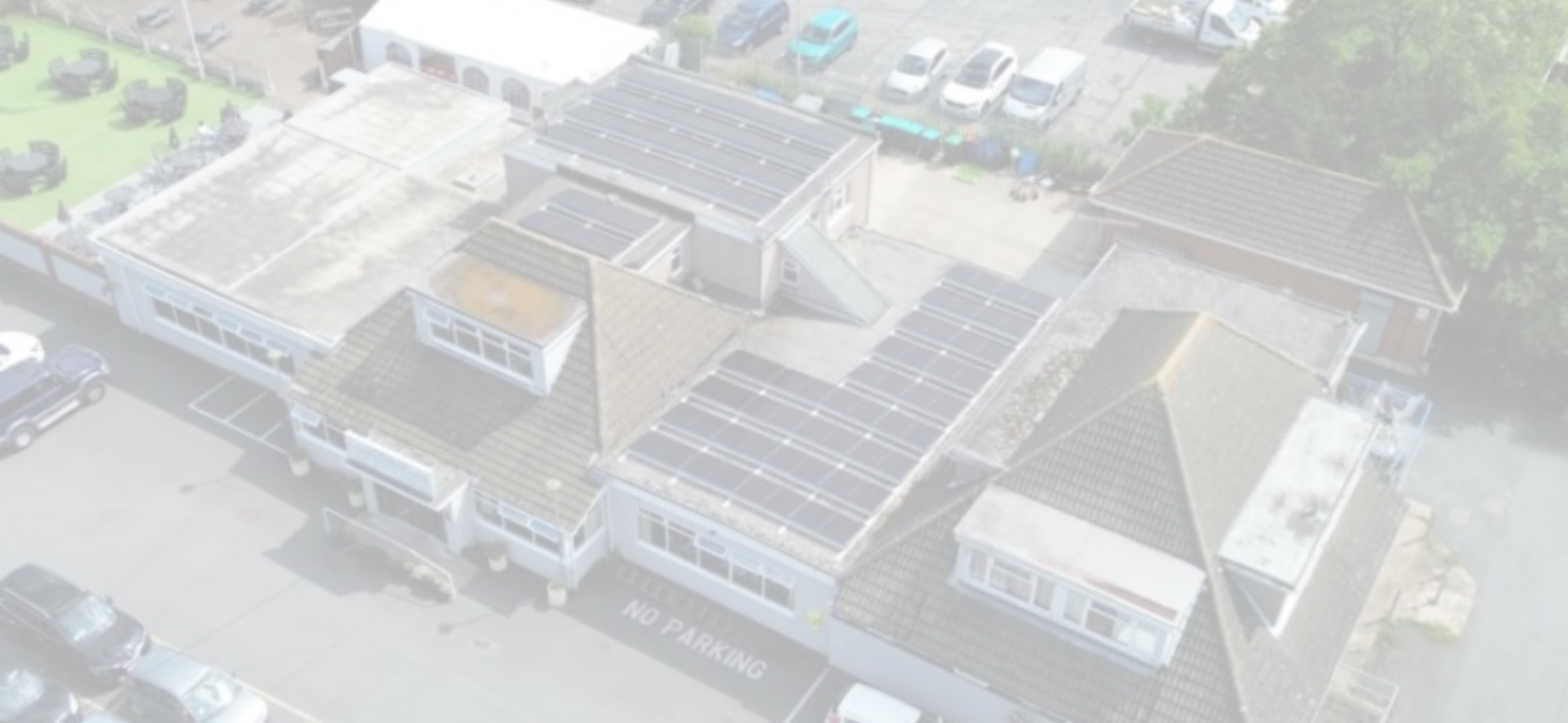
For many UK organisations, rising energy costs remain one of the biggest operational challenges in 2026. While wholesale electricity markets have become less volatile than during the energy crisis, commercial energy prices continue to place significant pressure on operating budgets, particularly for organisations with high daytime electricity demand.
At the same time, businesses are expected to improve sustainability performance, reduce carbon emissions and demonstrate greater resilience against future market uncertainty. These combined pressures are driving a significant increase in commercial solar adoption across the UK.
This guide explores why more organisations are investing in commercial solar and how renewable energy is helping businesses improve financial performance while strengthening long-term energy resilience.
Commercial Energy Costs Continue to Challenge UK Businesses
Unlike domestic consumers, commercial organisations remain largely exposed to market pricing through negotiated energy contracts. Electricity costs continue to fluctuate, making long-term budgeting increasingly difficult for businesses operating warehouses, manufacturing facilities, offices, schools, retail premises and public-sector buildings.
For many organisations, electricity has become one of the largest controllable operating costs. Reducing dependence on imported grid electricity is therefore becoming an important part of long-term financial planning.
Commercial Solar Provides Greater Cost Certainty
Commercial solar PV enables organisations to generate renewable electricity on site, reducing reliance on grid electricity during peak operating hours.
Rather than simply reducing monthly energy bills, commercial solar helps businesses create a more predictable energy strategy by lowering exposure to future electricity price increases.
Every commercial solar project should begin with a detailed feasibility assessment that considers:
- Current electricity consumption
- Building suitability
- Roof construction
- Future operational requirements
- Return on investment
- Grid connection capacity
Designing a system around the organisation’s actual energy profile helps maximise long-term financial performance.
Why Businesses Are Prioritising Energy Resilience
Energy resilience has become just as important as energy efficiency.
Many organisations are investing in renewable energy not only to reduce operating costs but also to strengthen business continuity and improve protection against future market uncertainty.
Commercial solar can help organisations:
- Reduce reliance on imported electricity
- Improve budget certainty
- Increase on-site renewable energy generation
- Support long-term operational resilience
When combined with commercial battery storage, businesses can further improve self-consumption by storing surplus electricity for use during periods of higher demand or reduced solar generation.
Commercial Solar Supports ESG and Sustainability Objectives
Environmental performance now plays an increasingly important role in procurement, investment and corporate governance.
Installing commercial solar PV enables organisations to:
- Reduce operational carbon emissions
- Support ESG reporting
- Demonstrate progress towards Net Zero targets
- Strengthen sustainability credentials
- Meet growing customer and stakeholder expectations
For many organisations, renewable energy has become an important component of wider environmental and corporate responsibility strategies.
Flexible Funding Makes Commercial Solar More Accessible
Commercial solar is no longer limited to organisations with significant capital budgets.
Depending on business objectives, projects can be delivered through a range of funding options including:
- Capital Expenditure (CapEx)
- Commercial Leasing
- Solar Power Purchase Agreements (PPAs)
- Green Finance
Selecting the right funding model enables organisations to balance operational savings with cash flow while supporting long-term investment strategies.
Commercial Property Owners Continue to Benefit
Commercial property owners are increasingly recognising the value renewable energy can add to their assets.
Potential benefits include:
- Lower operating costs
- Improved EPC performance
- Increased tenant appeal
- Support for green leasing strategies
- Enhanced environmental performance
- Greater resilience against future energy price volatility
For landlords and property investors, commercial solar is becoming an important factor in protecting long-term asset value.
Modern Solar Technology Delivers Long-Term Performance
Commercial solar technology continues to evolve, delivering greater efficiency, reliability and visibility than ever before.
Modern systems typically incorporate:
- High-efficiency solar PV modules
- Intelligent inverter technology
- Real-time performance monitoring
- Power optimisation
- Commercial battery integration
These technologies maximise energy generation while providing facilities managers with detailed operational data throughout the system’s lifetime.
Why Organisations Across the South East Are Investing in Commercial Solar
Businesses across Essex, Kent, Suffolk, Hertfordshire and the wider South East are well positioned to benefit from commercial solar.
The region combines:
- Strong solar generation potential
- High concentrations of commercial and industrial buildings
- Significant daytime electricity demand
- Excellent opportunities for on-site energy consumption
These factors contribute to strong system performance and attractive long-term returns.
How Silvercrest Energy Group Supports Commercial Organisations
Silvercrest Energy Group designs, installs and maintains bespoke commercial solar PV systems for organisations across the UK.
Our services include:
- Commercial feasibility studies
- Detailed financial modelling
- Technical system design
- Structural and electrical assessments
- Grid connection support
- Professional installation
- Commissioning
- Operations and maintenance
- Performance monitoring
Every project is engineered to maximise energy generation, improve operational efficiency and deliver measurable long-term value.
Final Thoughts
Energy prices will continue to fluctuate, but organisations are no longer limited to simply responding to market conditions.
Commercial solar provides an opportunity to generate renewable electricity on site, reduce operating costs and improve long-term energy resilience while supporting wider sustainability objectives.
For organisations considering renewable energy, the most effective starting point is a detailed feasibility assessment. Understanding your building, energy demand and financial objectives ensures that any investment is tailored to deliver maximum operational and commercial benefit.
Frequently Asked Questions
Why are more businesses investing in commercial solar?
Commercial organisations are increasingly seeking greater control over energy costs, improved operational resilience and stronger sustainability performance. Commercial solar helps address all three objectives.
Can commercial solar reduce exposure to rising electricity prices?
Yes. By generating electricity on site, businesses reduce the amount of electricity purchased from the grid, helping to improve cost certainty over the long term.
Is battery storage worth considering?
For many organisations, battery storage can increase self-consumption of renewable electricity, reduce peak demand charges and improve overall return on investment.
How long does a commercial solar PV system last?
Most commercial solar PV systems are designed to operate for more than 30 years, with routine maintenance helping to maximise long-term performance.
How do I know if my business is suitable for commercial solar?
A professional feasibility study will assess your energy consumption, roof suitability, structural considerations and financial objectives before recommending the most appropriate solution.