Selecting the right solar panel is one of the most important decisions in any commercial solar project.
While many high-quality photovoltaic (PV) modules are available, differences in cell technology, efficiency and long-term performance can influence the amount of electricity a system generates throughout its operational life.
At Silvercrest Energy Group, every project begins with an engineering assessment rather than a preferred product list. However, for many commercial installations, we are increasingly specifying Aiko ABC solar panels because they offer several technical advantages that can benefit businesses looking to maximise energy generation from available roof space.
This guide explains how Aiko ABC technology differs from conventional TOPCon modules and why it is becoming an increasingly popular choice for commercial solar installations.
Understanding ABC Cell Technology
ABC stands for All Back Contact.
Unlike conventional solar panels, which use electrical contacts on the front surface of the cell, ABC technology relocates these connections to the rear of the module.
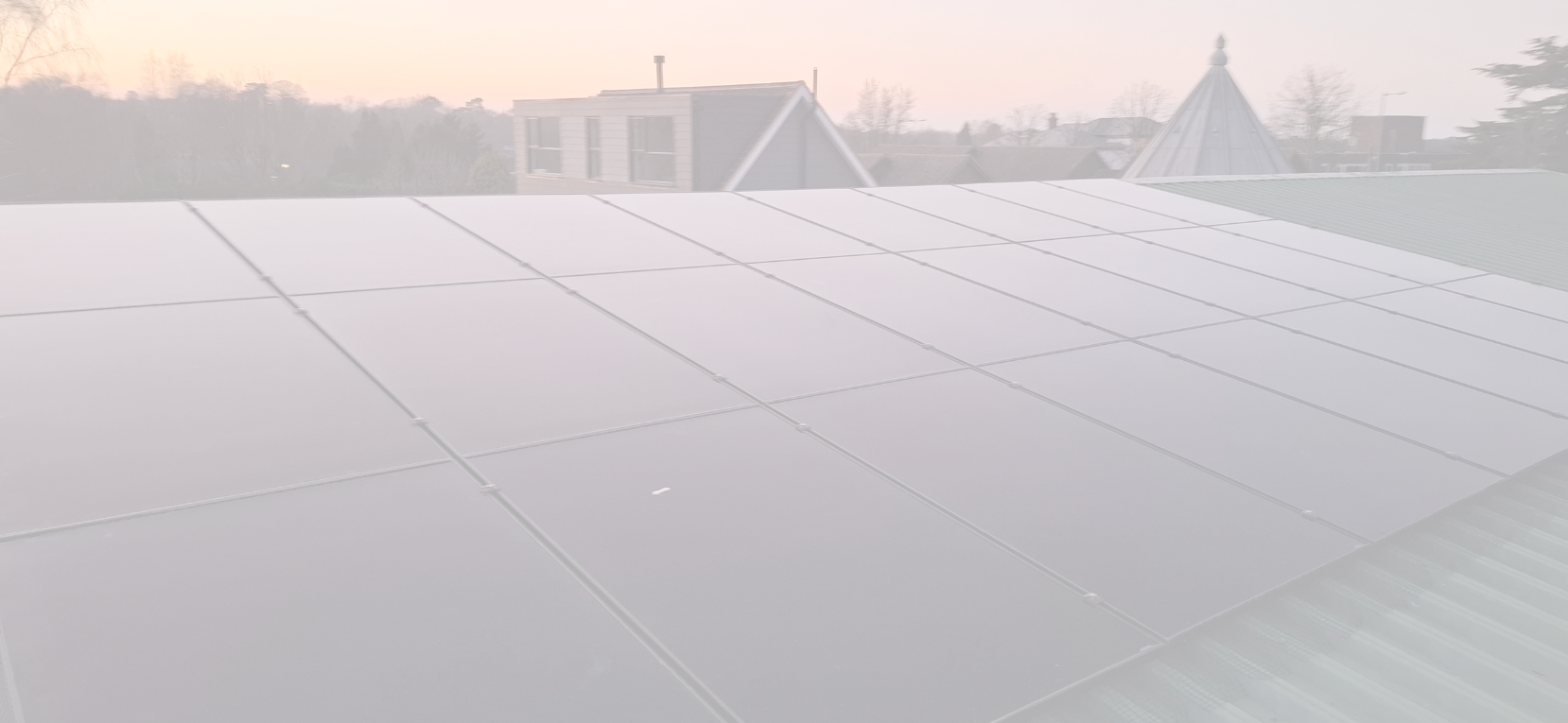
Removing the front-side busbars exposes a greater proportion of the cell surface to sunlight, allowing more light to reach the photovoltaic material while creating the distinctive all-black appearance associated with Aiko panels.
The result is a highly efficient module designed to maximise energy generation from every square metre of available roof space.
How Does This Compare with TOPCon?
TOPCon (Tunnel Oxide Passivated Contact) technology represents a significant advancement over earlier photovoltaic cell designs and continues to be an excellent choice for many commercial projects.
However, because conventional TOPCon modules generally retain front-side electrical contacts, a small proportion of the cell surface remains shaded by these conductors.
ABC technology removes this limitation by relocating all electrical contacts behind the cell.
Depending on the specific products being compared, this can contribute to higher module efficiencies and increased energy generation, particularly where roof space is limited and maximising output per square metre is an important design objective.
The most appropriate technology should always be selected according to the operational requirements of the individual project.
Maximising Available Roof Space
Commercial buildings often have practical constraints that limit the number of solar panels that can be installed.
Roof-mounted plant, access routes, rooflights, structural loading and planning considerations can all reduce the available installation area.
Where roof space is limited, increasing the efficiency of each individual panel becomes increasingly valuable.
Higher-efficiency modules allow more generating capacity to be installed within the same footprint, helping organisations maximise renewable electricity production without increasing the size of the installation.
Performance Throughout the Year
The UK’s climate presents a wide range of operating conditions, including variable cloud cover, lower winter sun angles and changing seasonal temperatures.
Modern premium solar modules are designed to perform efficiently across these varying conditions, and Aiko ABC panels incorporate technologies intended to maximise light absorption while reducing reflective losses.
When combined with professional system design and appropriate inverter selection, these characteristics can contribute to consistently strong energy generation throughout the year.
As with any commercial installation, actual performance depends on factors including orientation, shading, site conditions and overall system design.
Why Module Selection Matters Commercially
Selecting premium solar technology is about far more than headline efficiency figures.
For commercial organisations, higher-performing modules can contribute to greater renewable electricity generation over the lifetime of the installation, allowing more of the building’s electricity demand to be met directly from on-site generation.
This can improve long-term operational performance while strengthening the overall financial case for commercial solar, particularly where roof space is constrained or electricity demand is significant.
The objective is not simply to install solar panels—it is to maximise the value generated by every square metre of available roof space.
Every Commercial Solar System Should Be Engineered Individually
No single solar panel is the right choice for every commercial building.
Module selection should always form part of a wider engineering process that considers electricity demand, roof construction, orientation, structural capacity, shading, future expansion and long-term operational requirements.
At Silvercrest Energy Group, every commercial solar installation is designed around the needs of the organisation rather than a standard equipment specification.
Where Aiko ABC modules provide the strongest technical and commercial solution, we are increasingly recommending them as part of that engineering-led approach.
How Silvercrest Energy Group Selects Solar Technology
Silvercrest Energy Group designs bespoke commercial solar PV systems for organisations across the UK.
Every feasibility study includes detailed analysis of energy consumption, roof suitability, projected energy generation and long-term financial performance before equipment is specified.
Our objective is always to recommend the technology that delivers the greatest operational, financial and environmental value throughout the lifetime of the installation.
Final Thoughts
Commercial solar is a long-term investment, making the selection of high-quality components an important part of the design process.
Aiko ABC technology represents one of the latest developments in photovoltaic engineering and offers several advantages where maximising energy generation from limited roof space is a priority.
Combined with professional system design and careful engineering, premium solar modules can help organisations generate more renewable electricity while supporting stronger long-term business performance.
Frequently Asked Questions
What is ABC solar technology?
ABC (All Back Contact) technology relocates the electrical contacts to the rear of the solar cell, allowing more of the front surface to absorb sunlight.
Are Aiko ABC panels more efficient than TOPCon?
Depending on the specific products being compared, Aiko ABC modules can achieve higher module efficiencies than many conventional TOPCon panels. The most suitable technology depends on the individual project.
Why are high-efficiency panels important for commercial buildings?
Higher-efficiency modules generate more electricity from the same roof area, making them particularly valuable where installation space is limited.
Does choosing premium panels improve return on investment?
Greater energy generation can strengthen the long-term financial performance of a commercial solar installation, although overall return on investment depends on system design, electricity demand and operating conditions.
How do I know which solar panels are right for my business?
A professional feasibility study will assess your building, electricity consumption and operational requirements before recommending the most appropriate technology for your project.