For many schools and organisations, switching to solar energy doesn’t always happen in one step. Budgets, funding approvals and capital expenditure cycles often mean renewable energy projects are delivered in phases.
That’s exactly what happened for one school in Essex, where a carefully planned solar design has allowed the system to expand easily two years after the initial installation. By designing the system with future expansion in mind, the school can now increase its solar capacity without major changes to infrastructure, saving both time and cost.
Planning for Future Solar Expansion
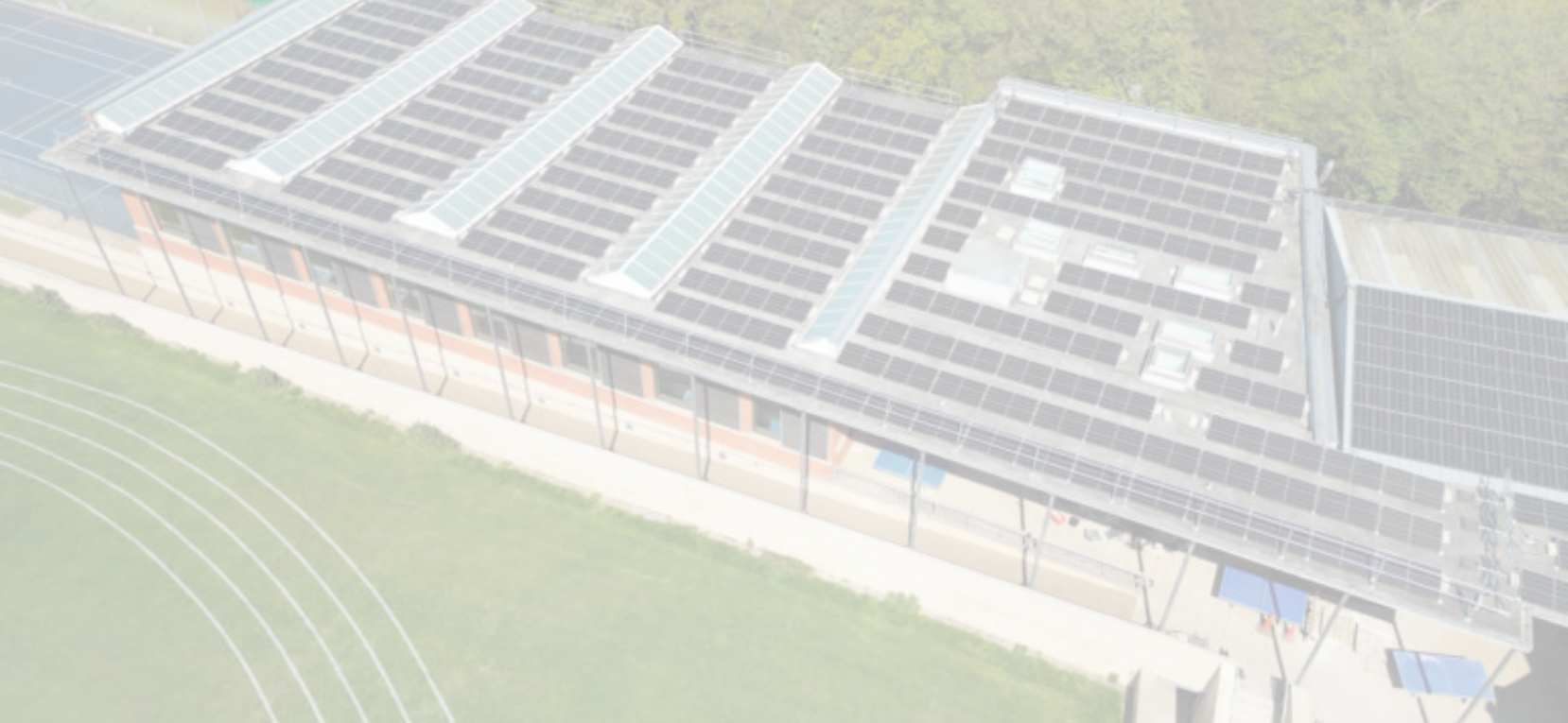
Back in 2024, during the first phase of Bancrofts School’s solar rollout, the available budget had already been allocated across the wider project. However, rather than simply installing a system sized only for the immediate requirement, the installation team took a forward thinking approach to system design.
The solution included:
- Oversizing the SolarEdge inverter
- Installing additional DC strings
- Running communication cabling for future modules
Although the additional solar panels could not be installed at that time, the infrastructure was already in place. This meant the system was effectively future ready.
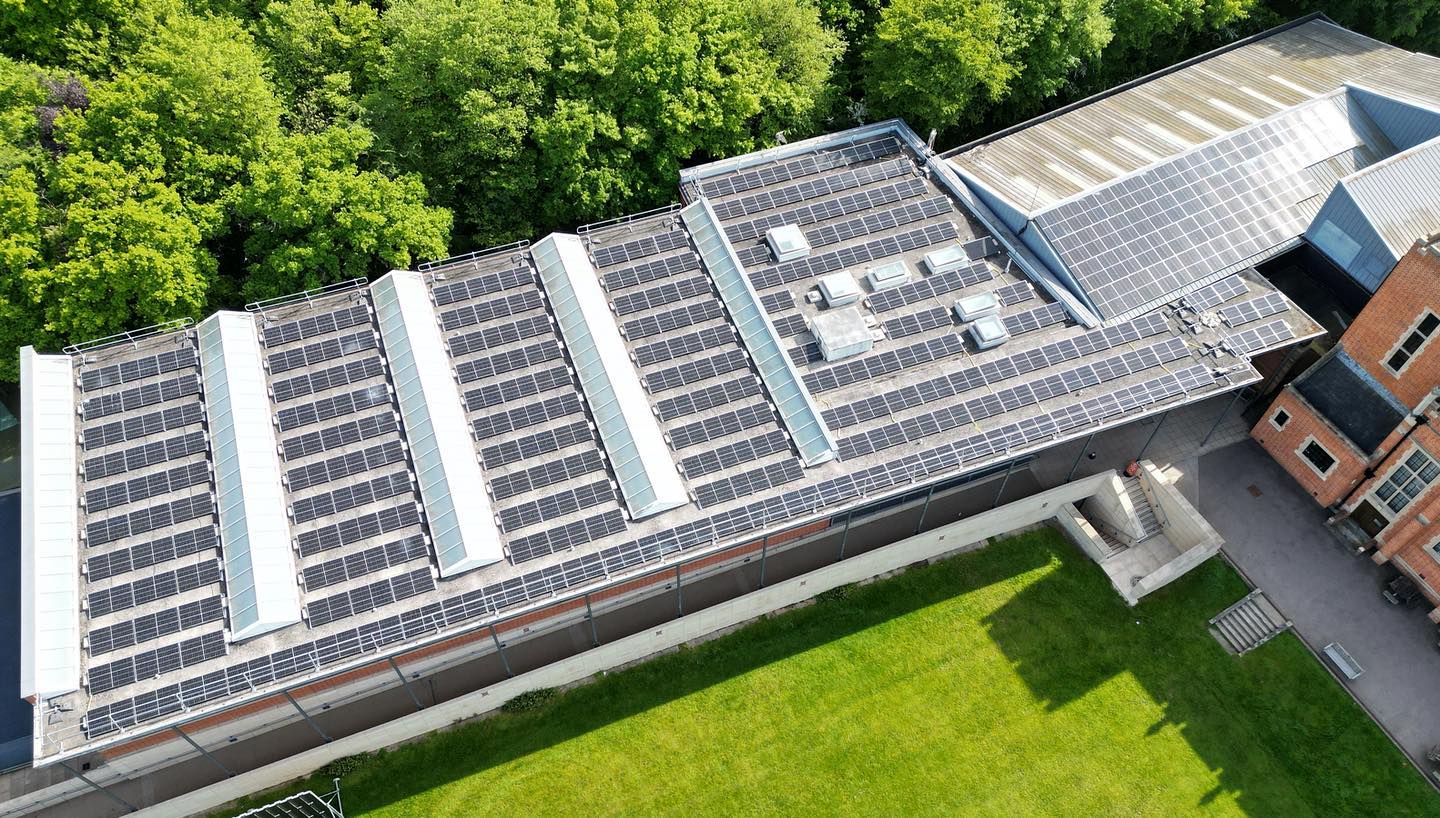
Phase 1 – 2024
Returning in 2026 to Increase Solar Capacity
Fast forward to 2026 and additional funding has now become available for the school. As the system had been designed with expansion in mind, the installation team was able to return to the site and add more solar panels quickly and efficiently.
There was no need to replace the inverter, run new communication cables or make significant system alterations. The groundwork completed during the original installation meant the expansion could be carried out smoothly.
This type of phased solar installation is becoming increasingly common for schools, public sector organisations and commercial sites where budgets are released over time.
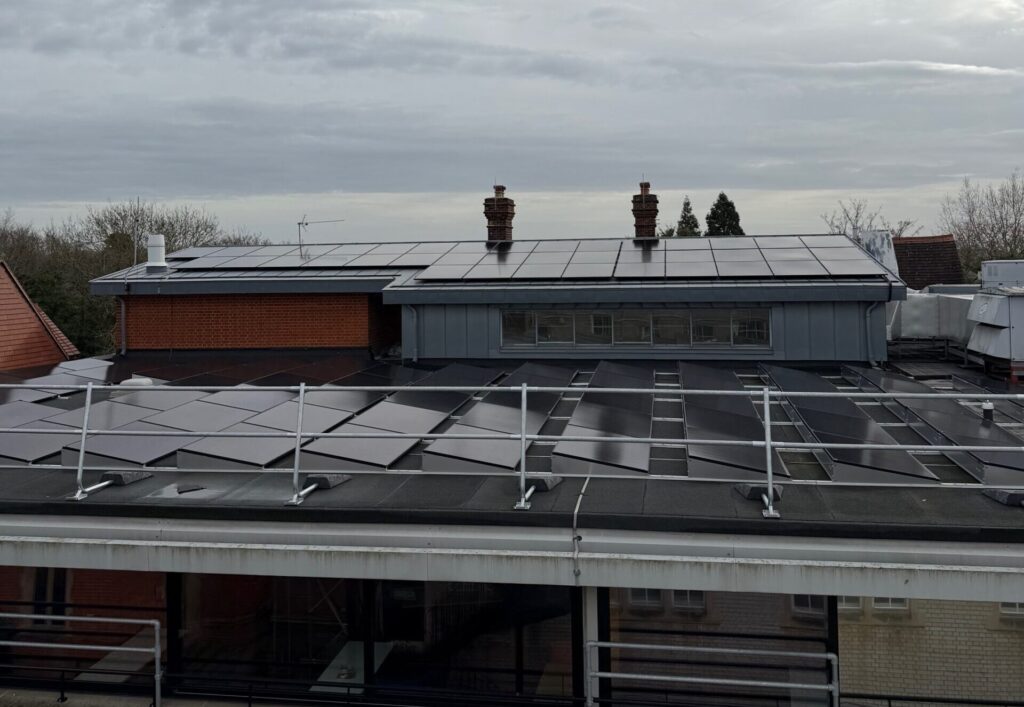
Phase 3 – 2026
Oversizing SolarEdge Inverters – What Many People Don’t Know
One advantage of using SolarEdge technology is the flexibility it offers when designing solar PV systems. Many people don’t realise that a SolarEdge inverter can typically be oversized by 200%. With careful design on three-phase systems, oversizing can sometimes reach up to around 330%.
This allows installers to design systems that accommodate future solar capacity, even if all modules cannot be installed immediately. When additional panels are added later, the existing inverter and infrastructure are already capable of handling the increased generation.
Why Phased Solar Installations Make Sense
Designing a solar system that can grow over time provides several benefits:
Budget Flexibility
Schools and businesses can install solar when funding becomes available without needing to redesign the entire system.
Reduced Future Installation Costs
Key infrastructure such as inverters, cabling and monitoring systems can already be in place.
Minimal Disruption
Additional panels can often be installed quickly without major electrical changes.
Long Term Energy Planning
Organisations can increase renewable energy generation as their energy needs evolve.
Tax Benefits for Businesses Installing Solar
For businesses considering solar energy, there are also significant tax incentives available. Solar PV systems can often be offset against tax through capital allowances, allowing companies to deduct the cost of installation from their taxable profits.
In many cases businesses can use the Annual Investment Allowance (AIA) to deduct 100% of the cost of the solar PV system in the first year. Depending on the project, a 50% First Year Allowance (FYA) may also apply to certain qualifying installations. These incentives can significantly reduce the effective cost of installing solar energy systems.
Designing Solar Systems That Grow With You
If you have roof space available for solar modules, but need to install the system in stages due to budget constraints, careful system design can make this possible. By installing scalable infrastructure from the start, it becomes far easier to increase solar capacity in the future when additional funding becomes available.
Planning ahead today can make tomorrow’s expansion simple and cost effective.