
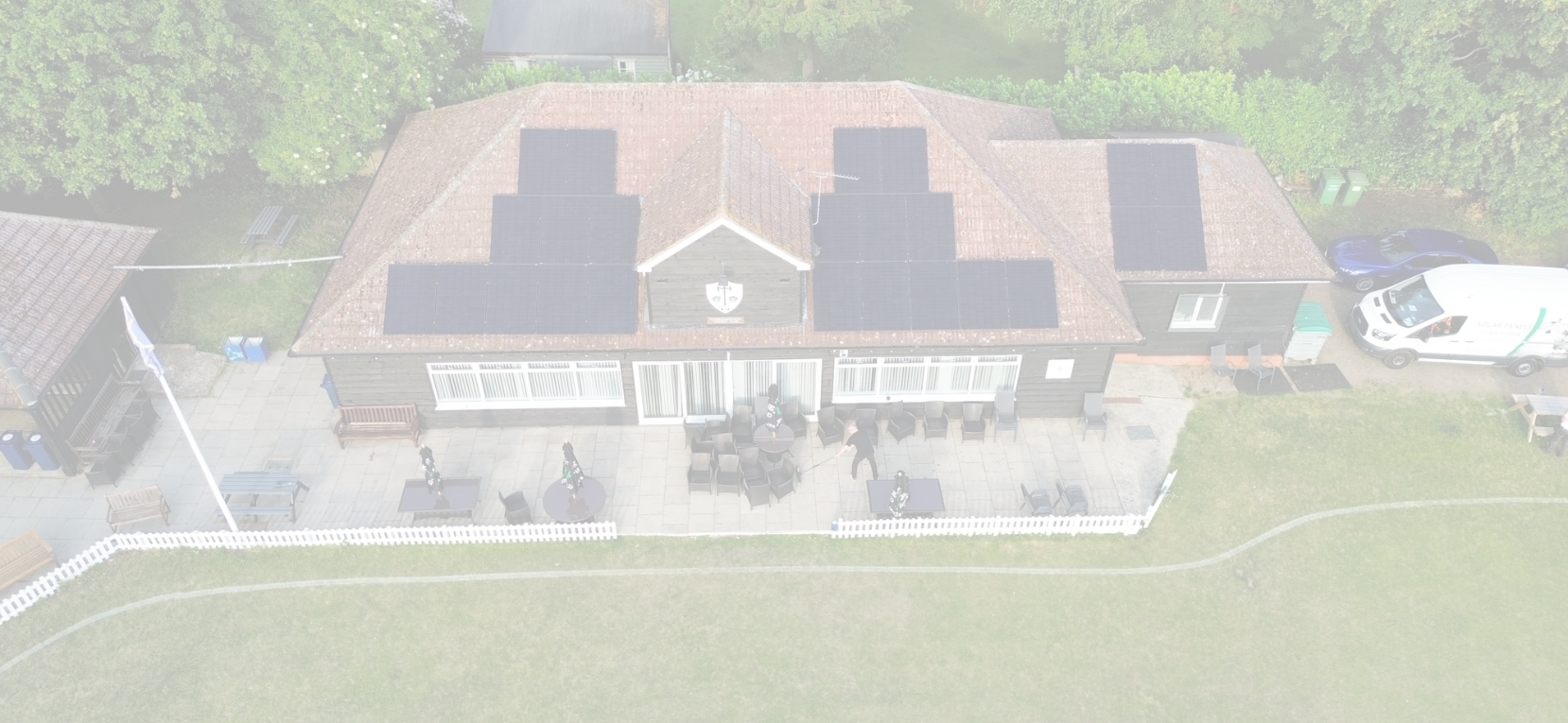
Renewable energy has become an increasingly important part of long-term business planning. Rising electricity costs, evolving sustainability expectations and greater scrutiny of operational performance are encouraging organisations to reconsider how they generate and manage energy.
For many businesses, renewable energy is no longer viewed solely as an environmental initiative. Instead, it is becoming an investment in operational resilience, cost control and long-term financial performance.
Among the available technologies, commercial solar PV has emerged as one of the most practical and commercially viable solutions, enabling organisations to generate renewable electricity on site while reducing reliance on the grid.
This guide explores the business case for renewable energy and explains why commercial organisations across the UK are investing in their own energy infrastructure.
Renewable Energy Has Become a Commercial Decision
The commercial energy landscape has changed considerably over recent years.
Electricity prices have become more volatile, sustainability has moved higher on boardroom agendas and organisations are increasingly expected to demonstrate environmental responsibility to customers, investors and supply chain partners.
These factors have transformed renewable energy from a discretionary investment into an important component of long-term business strategy.
For many organisations, the objective is no longer simply reducing carbon emissions. It is about improving operational efficiency while gaining greater certainty over future energy costs.
Reducing Operating Costs
Electricity is one of the largest controllable operating expenses for many commercial organisations.
Generating renewable electricity on site enables businesses to reduce the amount of electricity purchased from the grid, helping lower operating expenditure while improving budget certainty.
Commercial solar is particularly effective for organisations with significant daytime electricity demand, allowing renewable electricity to be consumed where it is generated rather than purchased at fluctuating market prices.
Over the lifetime of a professionally designed installation, these operational savings can represent a substantial financial benefit.
Strengthening Long-Term Financial Performance
Renewable energy should be viewed as a long-term infrastructure investment rather than simply an equipment purchase.
Professionally engineered commercial solar systems commonly operate for more than 30 years while continuing to generate renewable electricity throughout their operational life.
Many organisations also benefit from improved financial forecasting, lower lifetime energy expenditure and attractive returns on investment, particularly where electricity demand closely aligns with solar generation.
Every project should be supported by detailed financial modelling to ensure the proposed system reflects the organisation’s operational requirements and commercial objectives.
Reducing Exposure to Energy Market Volatility
Electricity prices remain influenced by a wide range of external factors, making long-term budgeting increasingly difficult.
By generating renewable electricity on site, organisations can reduce their dependence on imported electricity while gaining greater control over future operating costs.
Where appropriate, commercial battery storage can further strengthen this strategy by storing surplus renewable electricity for use during periods of higher demand or increased electricity prices.
For many organisations, energy resilience has become just as valuable as direct cost savings.
Supporting ESG and Sustainability Objectives
Environmental performance now influences procurement, investment and corporate reputation across many sectors.
Renewable energy enables organisations to reduce operational carbon emissions while supporting wider ESG and Net Zero objectives.
For businesses that publish sustainability information or work within environmentally conscious supply chains, renewable energy can demonstrate measurable progress towards long-term environmental goals.
As expectations continue to evolve, many organisations are integrating renewable energy into broader environmental and corporate governance strategies.
Enhancing Commercial Property Performance
Commercial renewable energy can also improve the long-term value and attractiveness of commercial property.
Lower operating costs, improved energy performance and stronger sustainability credentials are becoming increasingly important considerations for occupiers and investors alike.
For commercial property owners, renewable energy can contribute to improved building performance while supporting wider asset management strategies and helping prepare properties for future environmental requirements.
Renewable Energy Can Grow with Your Business
One of the advantages of commercial renewable energy is its flexibility.
Many organisations begin with a commercial solar PV installation before expanding their energy strategy to include battery storage, electric vehicle charging infrastructure or additional generation capacity as operational requirements evolve.
Designing systems with future expansion in mind enables organisations to build long-term energy resilience without replacing existing infrastructure.
Why Professional System Design Matters
No two commercial buildings use energy in exactly the same way.
Successful renewable energy projects begin with a detailed feasibility study that considers electricity demand, building suitability, structural capacity, operational requirements and long-term business objectives.
Rather than designing systems around available roof space alone, experienced engineers focus on delivering the strongest operational and financial performance over the lifetime of the installation.
This engineering-led approach is fundamental to achieving maximum value from a renewable energy investment.
How Silvercrest Energy Group Supports Commercial Organisations
Silvercrest Energy Group designs and installs bespoke commercial renewable energy systems for organisations across the UK.
Our services include commercial feasibility studies, energy analysis, financial modelling, bespoke solar PV design, battery storage integration, grid connection support, professional installation and long-term operations and maintenance.
Every project is developed around the client’s operational requirements, ensuring renewable energy delivers measurable financial, operational and environmental value throughout its lifetime.
Final Thoughts
The business case for renewable energy extends well beyond reducing carbon emissions.
For many organisations, commercial solar has become an important tool for controlling operating costs, improving energy resilience and strengthening long-term financial performance while supporting wider sustainability objectives.
As electricity markets continue to evolve, organisations that invest in professionally engineered renewable energy systems are placing themselves in a stronger position to manage future costs, improve operational efficiency and create long-term value.
Frequently Asked Questions
Why are businesses investing in renewable energy?
Many organisations are investing to reduce operating costs, improve energy resilience, strengthen ESG performance and reduce exposure to future electricity price volatility.
Is commercial solar the best renewable energy option for most businesses?
For many commercial buildings, solar PV is one of the most practical renewable technologies because it can generate electricity directly where it is consumed while requiring relatively little ongoing maintenance.
Does renewable energy improve property value?
Renewable energy can improve the operational performance and attractiveness of commercial property by reducing energy costs and supporting stronger environmental performance.
Can renewable energy help with Net Zero objectives?
Yes. Commercial solar can reduce operational carbon emissions and contribute towards wider organisational sustainability and Net Zero strategies.
How do I know whether renewable energy is suitable for my organisation?
A professional feasibility study will assess your building, electricity demand, operational requirements and financial objectives before recommending the most appropriate solution.