
For many organisations, investing in commercial solar is no longer simply about reducing carbon emissions. It is about improving long-term financial performance, reducing exposure to volatile electricity prices and gaining greater control over one of the largest operational costs a business faces.
One of the first questions decision-makers ask is:
“How long will it take for the system to pay for itself?”
The answer is different for every organisation. While many commercial solar installations achieve payback within a number of years, the actual timescale depends on factors such as electricity consumption, system design, energy tariffs and funding arrangements.
This guide explains what influences commercial solar payback and why a professional feasibility study is essential when assessing return on investment.
What Is a Commercial Solar Payback Period?
The payback period is the length of time it takes for the financial benefits generated by a commercial solar PV system to equal the original investment.
These benefits typically include reduced electricity purchases from the grid, income from exported electricity where applicable and any relevant tax efficiencies available to the organisation.
Once the initial investment has been recovered, the system continues generating renewable electricity for the remainder of its operational life, which is commonly expected to exceed 30 years.
For most organisations, the payback period is only one part of a much broader financial assessment.
What Is the Typical Payback Period?
There is no single answer that applies to every commercial solar project.
Many professionally designed installations currently achieve payback within approximately three to seven years, although individual projects may fall outside this range depending on their circumstances.
Factors such as electricity demand, operating hours, roof suitability, system size, funding model and future electricity prices all influence the financial performance of a project.
This is why commercial solar should always be assessed using site-specific modelling rather than industry averages alone.
The Biggest Factors That Influence Return on Investment
The strongest commercial solar projects begin with a detailed understanding of how electricity is used throughout the day.
Buildings with high daytime demand often achieve stronger financial performance because a greater proportion of the renewable electricity generated can be consumed on site rather than exported to the grid. Manufacturing facilities, warehouses, schools, offices and healthcare buildings frequently benefit from this pattern of electricity use.
System design is equally important. Installing the largest possible array does not always produce the strongest financial return. A professionally engineered system should be designed around the building’s operational profile, balancing generation with expected demand to maximise self-consumption and long-term value.
Electricity prices also have a significant influence on payback. As grid electricity becomes more expensive, every kilowatt-hour generated on site becomes increasingly valuable, improving the economics of commercial solar.
Exporting Electricity
Where a solar installation generates more electricity than is required on site, surplus generation may be exported to the grid through an appropriate export arrangement.
Although exported electricity can provide an additional source of income, export payments are often lower than the cost of importing electricity from the grid.
For this reason, many commercial solar systems are designed to maximise on-site consumption rather than maximise electricity exports.
Tax Relief Can Improve Project Economics
Commercial solar may qualify for tax relief under current UK legislation, helping improve the overall financial performance of an investment.
Depending on the organisation’s circumstances, capital allowances and other tax measures may reduce the effective cost of a project.
As tax legislation changes over time, businesses should seek advice from a qualified accountant or tax adviser regarding current eligibility.
Does Battery Storage Improve Payback?
Battery storage can significantly improve the performance of a commercial solar installation, although it should not be viewed solely as a way to shorten payback.
By storing surplus renewable electricity for use later in the day, battery systems can increase self-consumption, reduce peak demand charges and strengthen energy resilience.
While adding battery storage may increase the initial investment, it can improve the long-term value of the overall energy strategy, particularly for organisations with extended operating hours or significant peak electricity demand.
Looking Beyond the Payback Period
Although payback is an important financial measure, it should not be the only consideration when evaluating a commercial solar investment.
Many organisations also benefit from:
- Reduced exposure to future electricity price volatility
- Lower long-term operating costs
- Improved environmental performance
- Stronger ESG credentials
- Enhanced property performance
- Greater energy resilience
These benefits continue long after the initial investment has been recovered.
A Real Commercial Example
Every project is different, but real-world performance demonstrates the importance of good engineering and accurate system design.
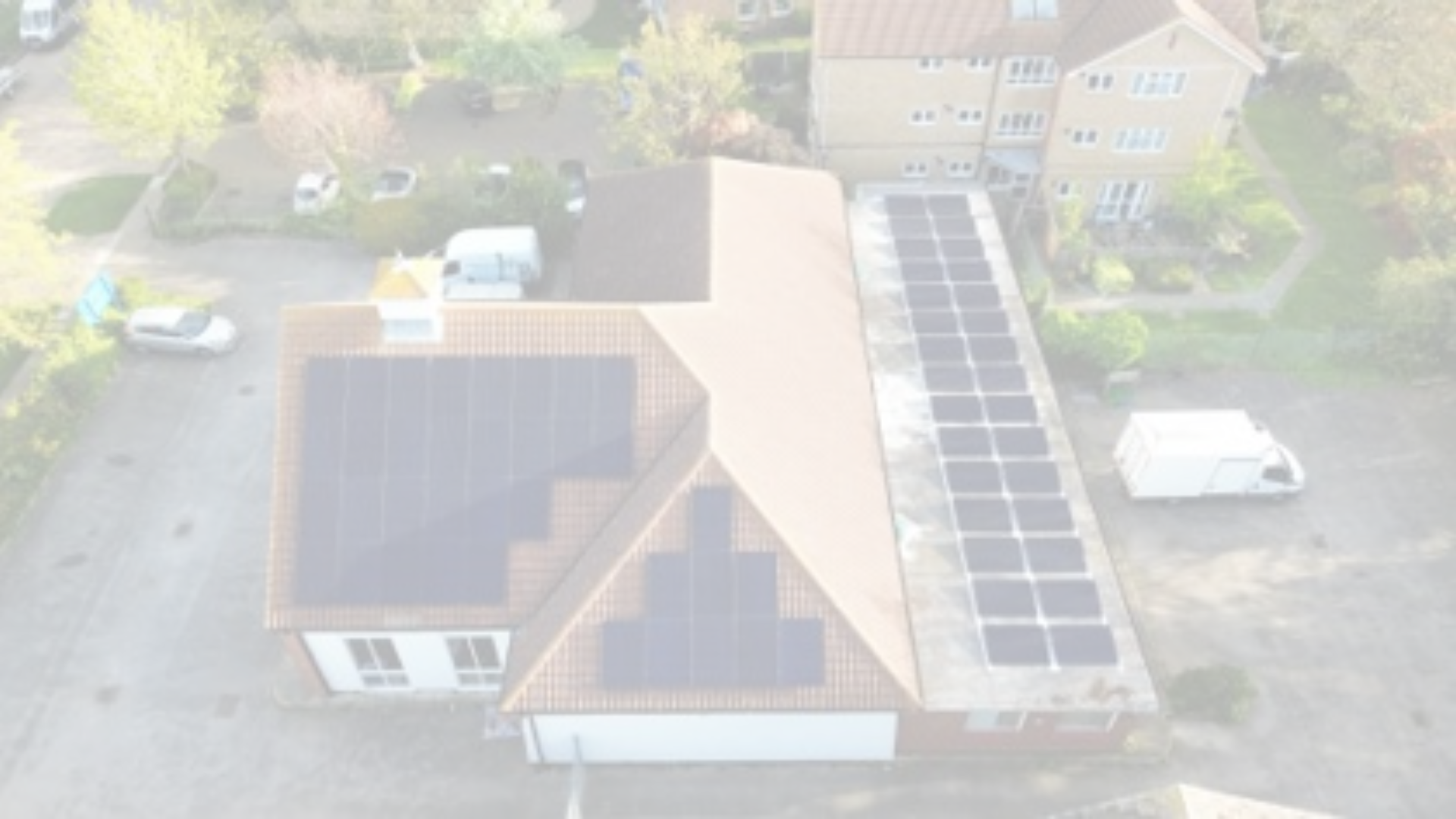
At Whittingham Methodist Church, Silvercrest Energy Group installed a 27.06kWp commercial solar PV system with battery storage to support the site’s daytime community activities, worship services and evening events.
Following a review of the system’s first year of operation, performance exceeded the original forecasts. Annual savings increased beyond the initial estimates, projected lifetime savings more than doubled and the anticipated payback period reduced from approximately six years to around four years.
While every installation will perform differently, this project demonstrates how carefully designed systems can outperform initial projections when generation closely matches operational energy demand.
How Silvercrest Energy Group Assesses Return on Investment
Every commercial solar project begins with a detailed feasibility study.
Rather than relying on industry averages, Silvercrest Energy Group analyses electricity consumption, roof suitability, operational requirements and future business plans before modelling system performance.
Our feasibility studies include projected energy generation, financial forecasting, estimated payback periods and long-term return on investment, allowing organisations to make informed decisions based on their own operational data.
Final Thoughts
The real payback period for commercial solar depends on far more than the number of panels installed.
Electricity consumption, engineering design, operational requirements and financial strategy all influence long-term performance. Organisations that begin with a detailed feasibility study are far more likely to achieve a system that delivers measurable operational, financial and environmental value for decades to come.
Frequently Asked Questions
How long does commercial solar take to pay for itself?
Many commercial solar installations achieve payback within approximately three to seven years, although every project should be assessed individually based on its energy profile and operational requirements.
What has the biggest impact on payback?
The largest influences are daytime electricity consumption, system design, electricity prices, funding arrangements and the proportion of renewable electricity used on site.
Does battery storage reduce the payback period?
Not always. Battery storage increases the initial investment but can improve self-consumption, reduce peak demand charges and enhance the long-term value of the overall energy strategy.
Is exporting electricity the main source of savings?
In most cases, no. The greatest financial benefit usually comes from consuming renewable electricity on site rather than exporting surplus generation.
How can I calculate the payback for my business?
The most accurate approach is a professional feasibility study that models your electricity consumption, roof suitability, proposed system size and projected financial performance.