When roof space is limited, every panel matters. The difference between a good solar installation and a great one isn’t simply how many panels fit on the roof—it’s how intelligently the entire system is engineered.
Many commercial buildings have restricted roof space, rooftop plant equipment, parapet walls or structural features that make solar design more challenging. While some installers simply aim to install the highest number of panels possible, this approach can often compromise long-term performance.
At Silvercrest Energy Group, we take a different approach. Every commercial solar installation begins with detailed engineering to maximise energy generation, not just installed capacity.
The Challenge
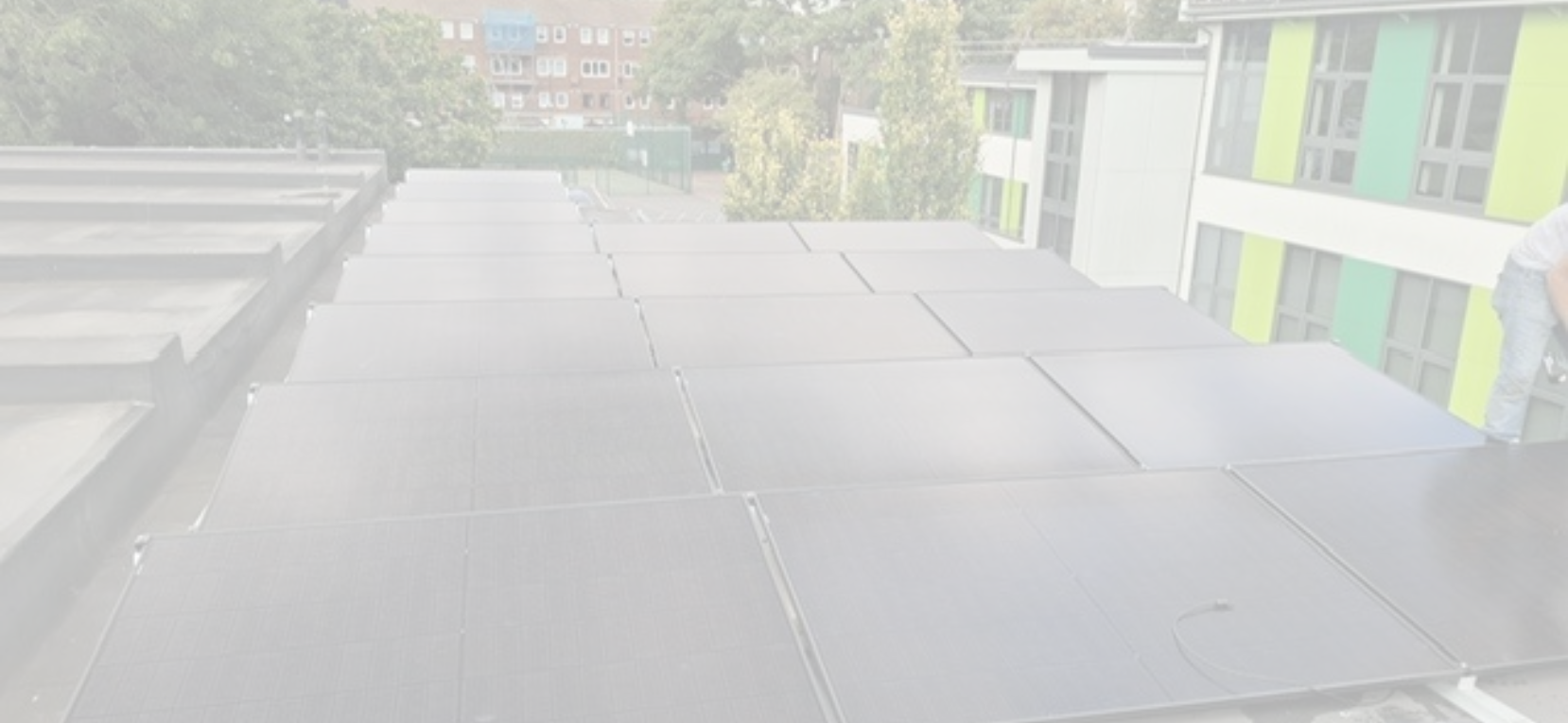
This project involved designing a 25kWp commercial solar PV system on a south-facing flat roof with a significant parapet wall around its perimeter.
At first glance, the roof appeared ideal for solar. However, the parapet created a challenge that would affect winter generation if not properly addressed. Several installers had already proposed solutions, each recommending panels installed flat to the roof, a conventional string inverter and a simple two-string configuration. While these designs increased the apparent panel count, they failed to account for the impact of seasonal shading.
During the winter months, the parapet wall would cast shadows across the leading rows of modules. On a conventional string inverter, shading affecting a small number of panels can reduce the performance of every panel connected to that string, leading to lower energy yields throughout the year.
On paper, the proposed systems looked competitive. In reality, they would have sacrificed long-term performance.
Engineering the Right Solution
Rather than focusing purely on module quantity, our design team analysed how the roof would perform throughout the year.
Using solar modelling software, shading analysis and load calculations, we developed a system that balanced available roof space with maximum long-term generation.
The final design incorporated ballast-mounted A-frame mounting systems positioned to optimise winter performance, carefully calculated spacing between panel rows and module-level optimisation technology to minimise the impact of any unavoidable shading.
The result was a 25kWp commercial solar installation that achieved a significantly larger system than previous proposals while maintaining consistently high performance throughout the year.
Why SolarEdge Made the Difference
To further improve performance, the system was designed using SolarEdge technology with module-level power optimisers.
Unlike traditional string inverter systems, SolarEdge allows every panel to operate independently. If one module is affected by temporary shading from a parapet wall or rooftop equipment, the remaining panels continue producing at maximum efficiency rather than being limited by the weakest-performing module.
For commercial buildings with complex roof layouts, this approach can substantially increase annual energy generation while providing detailed monitoring of every individual panel.
It also makes fault identification significantly easier, helping maintain optimum system performance throughout the life of the installation.
Maximising Output with High-Efficiency Panels
When roof space is restricted, panel efficiency becomes increasingly important.
For this project, we specified high-performance Aiko 460–465W solar panels, allowing the client to generate more electricity from every square metre of available roof space.
Higher-efficiency modules reduce the number of panels required to achieve a given system size while increasing annual energy production. For commercial buildings where every metre of roof area has value, selecting the right technology can have a significant impact on long-term return on investment.
Delivered in Just 48 Hours
Careful planning didn’t just improve system performance—it also reduced installation time.
All materials were craned directly onto the roof before work commenced, allowing our installation team to complete the entire project efficiently with minimal disruption to the client’s operations.
From delivery through to commissioning, the complete system was installed and generating renewable electricity within just 48 hours.
Why Commercial Solar Design Matters
Two solar systems with the same installed capacity can produce very different results over their lifetime.
Effective commercial solar design considers far more than simply fitting the maximum number of panels onto a roof. Factors such as shading analysis, roof orientation, structural loading, inverter configuration, cable design, maintenance access and future expansion all influence how much electricity a system will generate over the next 30 years.
This is why engineering expertise is just as important as installation quality.
At Silvercrest Energy Group, every commercial solar project is designed around long-term performance, ensuring our clients achieve the highest possible return from their investment.
Ready to Unlock the Potential of Your Roof?
If your commercial building has limited roof space, rooftop plant, parapet walls or a complex layout, it doesn’t necessarily mean your solar potential is limited.
Our commercial solar specialists carry out detailed feasibility assessments, system modelling and performance forecasting to ensure every installation is engineered for maximum generation and long-term value.
Whether you’re planning a rooftop solar installation for a warehouse, factory, office, school or industrial facility, Silvercrest Energy Group can design a solution that makes the very best use of your available roof space.
Contact our team today to arrange a commercial solar feasibility assessment and discover how an intelligently engineered system can reduce your energy costs, improve sustainability and deliver reliable returns for decades to come.
Frequently Asked Questions
Can a commercial solar system still perform well on a small roof?
Yes. High-efficiency solar panels, intelligent system design and technologies such as module-level optimisation allow businesses to generate significant amounts of electricity, even where roof space is limited.
How do parapet walls affect solar panel performance?
Parapet walls can cast shadows across solar panels, particularly during winter when the sun is lower in the sky. If not accounted for during design, this shading can reduce the overall performance of the system.
Is SolarEdge technology worth it for commercial buildings?
For roofs with shading, multiple roof orientations or complex layouts, SolarEdge power optimisers can significantly improve energy generation by allowing each panel to operate independently.
Can more efficient solar panels generate more electricity from the same roof?
Yes. High-efficiency panels, such as Aiko ABC modules, produce more power per square metre, making them ideal for commercial buildings where roof space is at a premium.
How important is the design of a commercial solar system?
System design is one of the biggest factors affecting long-term performance. A well-engineered installation can generate considerably more electricity over its lifetime than a system that simply prioritises installing the maximum number of panels.