
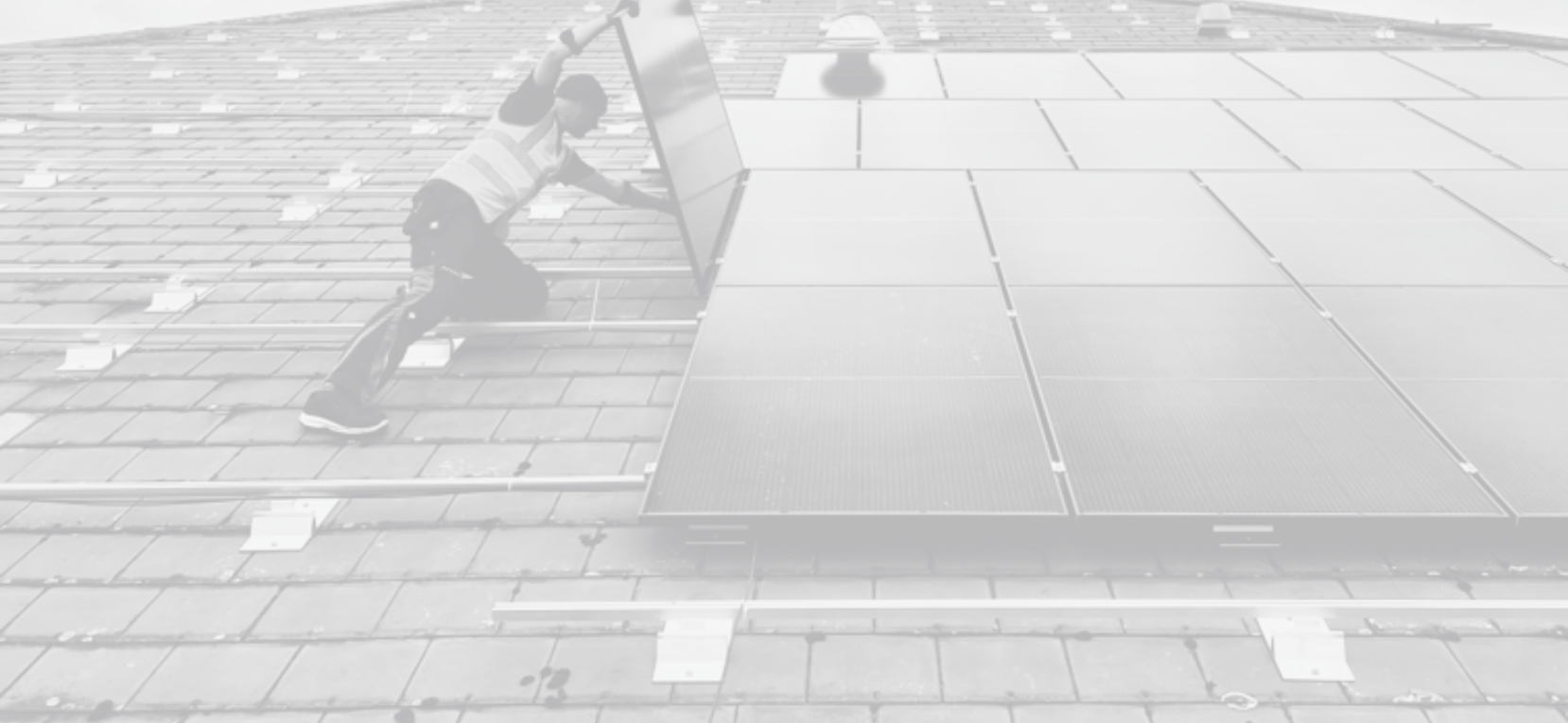
Many organisations assume that listed buildings and heritage properties cannot accommodate commercial solar installations. While these projects are undoubtedly more complex than standard rooftop systems, they are often entirely achievable when approached with the appropriate engineering expertise and careful planning.
Across the UK, schools, churches, historic estates, commercial properties and buildings located within conservation areas are increasingly exploring renewable energy as part of their long-term sustainability strategies. The challenge is not simply installing solar panels, but integrating them in a way that protects the building’s architectural character while delivering reliable long-term performance.
This guide explains the key considerations when designing commercial solar systems for listed buildings and other architecturally sensitive sites.
Every Heritage Building Presents Different Challenges
Historic buildings rarely follow modern construction methods.
Many have ageing roof structures, complex internal layouts, protected architectural features and electrical systems that have evolved over decades. As a result, installing commercial solar requires considerably more planning than a conventional rooftop installation.
Before any system can be designed, engineers need to understand how the building has been constructed, how electricity is currently distributed throughout the property and where new infrastructure can be installed without affecting its historic significance.
For this reason, detailed feasibility studies and site surveys are essential.
Protecting the Character of the Building
One of the primary objectives of any heritage solar project is preserving the appearance and integrity of the building.
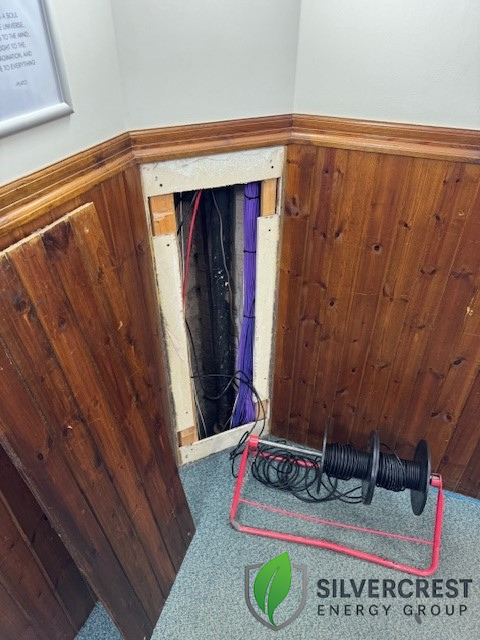
This often influences decisions around panel positioning, cable routing, inverter locations and electrical infrastructure. Rather than selecting the easiest installation route, engineers frequently need to identify discreet pathways that minimise visual impact while maintaining safe access for future maintenance.
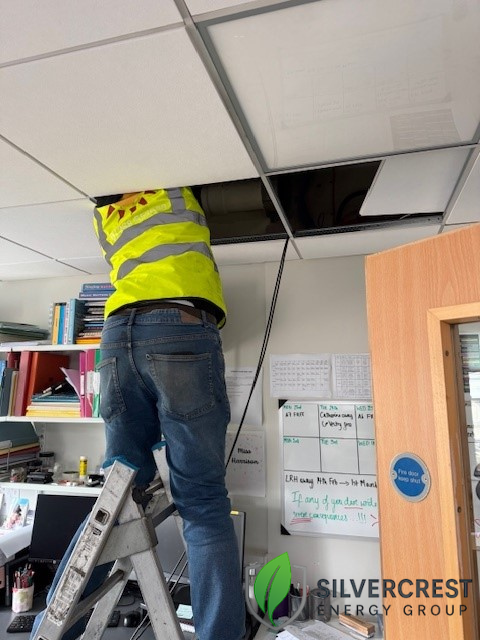
In many cases, existing service risers, ceiling voids and internal plant areas can be used to accommodate new electrical infrastructure without altering the external appearance of the property.
A carefully engineered design allows renewable energy systems to be integrated sympathetically with the existing building.
Engineering the Infrastructure
The complexity of heritage projects often extends well beyond the solar panels themselves.
Commercial solar installations may require long cable runs between roof-mounted arrays and electrical plant rooms, integration with existing distribution equipment and careful coordination with other building services.
Older buildings frequently present structural and logistical challenges that require bespoke engineering solutions rather than standard installation methods.
By designing the entire electrical infrastructure alongside the solar installation, organisations can achieve both reliable system performance and minimal impact on the building’s historic fabric.
Planning Permission and Listed Building Consent
Buildings that are listed or located within conservation areas may require additional approvals before renewable energy systems can be installed.
The exact requirements depend on factors including the building’s designation, the proposed installation and the policies of the relevant local planning authority.
Early consultation with planning officers, conservation specialists and other stakeholders can often simplify the approval process and help identify acceptable design solutions before detailed engineering work begins.
Every project should be assessed individually, as planning requirements vary considerably between sites.
Why Experience Matters
Projects involving heritage properties require a different approach from conventional commercial solar installations.
Successful delivery depends on understanding structural constraints, planning considerations, electrical infrastructure and the practical challenges associated with working on occupied or historically significant buildings.
Experience in these environments enables installers to identify practical engineering solutions that protect the building while maximising long-term energy performance.
For many organisations, this level of expertise is one of the most important factors when selecting a commercial solar contractor.
Suitable Buildings for Heritage Solar Installations
Commercial solar may be appropriate for a wide range of architecturally sensitive properties, including:
- Listed commercial buildings
- Schools and colleges
- Churches and places of worship
- Country houses and estates
- Museums and visitor attractions
- Buildings within conservation areas
- Historic offices and civic buildings
Every property should be assessed individually, but many buildings previously considered unsuitable can often accommodate renewable energy through careful design and engineering.
How Silvercrest Energy Group Delivers Complex Solar Projects
Silvercrest Energy Group specialises in designing commercial solar systems for technically challenging and architecturally sensitive buildings.
Our engineers begin every project with a comprehensive feasibility study, assessing the building’s construction, electrical infrastructure, operational requirements and planning considerations before developing a bespoke design.
Our services include:
- Detailed site surveys
- Structural and infrastructure assessments
- Cable routing design
- Grid connection support
- Commercial solar system design
- Professional installation
- Operations and maintenance
Where projects involve listed buildings or conservation areas, we work to minimise visual impact while delivering systems engineered for long-term reliability and performance.
Final Thoughts
Installing commercial solar on a listed building or heritage property requires considerably more planning than a standard rooftop installation, but these buildings should not automatically be considered unsuitable for renewable energy.
With detailed engineering, careful infrastructure design and an understanding of planning and conservation requirements, many architecturally sensitive buildings can successfully integrate commercial solar while preserving their historic character.
A professional feasibility study is the first step in understanding what is possible and identifying the most appropriate solution for your property.
Frequently Asked Questions
Can listed buildings have solar panels?
In some cases, yes. Whether solar can be installed depends on the building, the proposed design and any planning or listed building consent requirements.
Do buildings in conservation areas need planning permission?
Requirements vary between local planning authorities and individual projects. Early consultation is usually recommended before progressing a commercial solar installation.
Can solar panels be installed without affecting the appearance of a heritage building?
Many projects are designed to minimise visual impact through careful panel positioning, discreet cable routing and sympathetic engineering solutions.
Are churches and historic schools suitable for commercial solar?
Many are. Large roof areas and daytime electricity demand often make these buildings suitable candidates, although each project requires an individual feasibility assessment.
How do I know whether my property is suitable?
A professional feasibility study will assess structural considerations, planning constraints, electrical infrastructure and operational requirements before recommending an appropriate solution.