
Energy has become one of the most significant operating costs facing UK businesses.
Although wholesale electricity markets have become more stable than during the peak of the energy crisis, prices remain considerably more volatile than many organisations were accustomed to in previous years. This has created new challenges for businesses trying to manage operating costs, forecast expenditure and plan long-term investment.
For many organisations, energy is no longer simply another utility bill—it has become a strategic business issue that influences profitability, competitiveness and future growth.
This guide explores how rising energy prices are affecting UK businesses and why many organisations are taking a different approach to energy management.
Energy Costs Are Now a Boardroom Issue
Electricity affects almost every aspect of a modern business.
Manufacturing facilities rely on machinery and production equipment. Warehouses operate extensive lighting, automation and material handling systems. Offices depend on heating, cooling, ventilation and IT infrastructure, while schools, healthcare providers and public sector organisations require reliable energy to maintain essential services.
As electricity costs increase, the impact extends well beyond monthly utility bills.
Higher energy expenditure can influence operating margins, cash flow, pricing decisions, investment plans and overall business resilience.
For many organisations, controlling energy costs has become an important part of long-term financial planning.
Why Electricity Prices Remain Unpredictable
Commercial electricity prices continue to be influenced by a range of external factors.
Global energy markets, infrastructure investment, geopolitical events, electricity demand and the UK’s transition towards a lower-carbon energy system all contribute to changing wholesale prices.
Although individual businesses cannot influence these market conditions, they can reduce their exposure by reconsidering how electricity is generated, purchased and managed.
Increasingly, organisations are focusing on improving energy resilience rather than simply negotiating lower tariffs at contract renewal.
Which Businesses Are Most Exposed?
Some sectors are particularly sensitive to rising electricity costs because energy forms a significant proportion of their operating expenditure.
Manufacturing, warehousing, logistics, food production, healthcare, retail and hospitality businesses all depend on reliable electricity to support day-to-day operations.
Commercial property owners are also feeling increasing pressure, as occupiers place greater emphasis on energy efficiency, operating costs and environmental performance when selecting premises.
For organisations operating across multiple sites, even relatively small increases in electricity prices can have a substantial impact on annual operating costs.
Managing Energy Rather Than Simply Buying It
As electricity markets have become more volatile, many organisations have begun treating energy as a strategic resource rather than simply another purchased utility.
This often involves reviewing how and when electricity is consumed, improving energy efficiency and investing in technologies that reduce dependence on imported electricity.
Rather than reacting to changing electricity prices, businesses are increasingly looking for ways to create greater certainty over future operating costs.
Why Commercial Solar Is Becoming Part of Business Strategy
Generating electricity on site enables organisations to reduce the amount of electricity purchased from the grid.
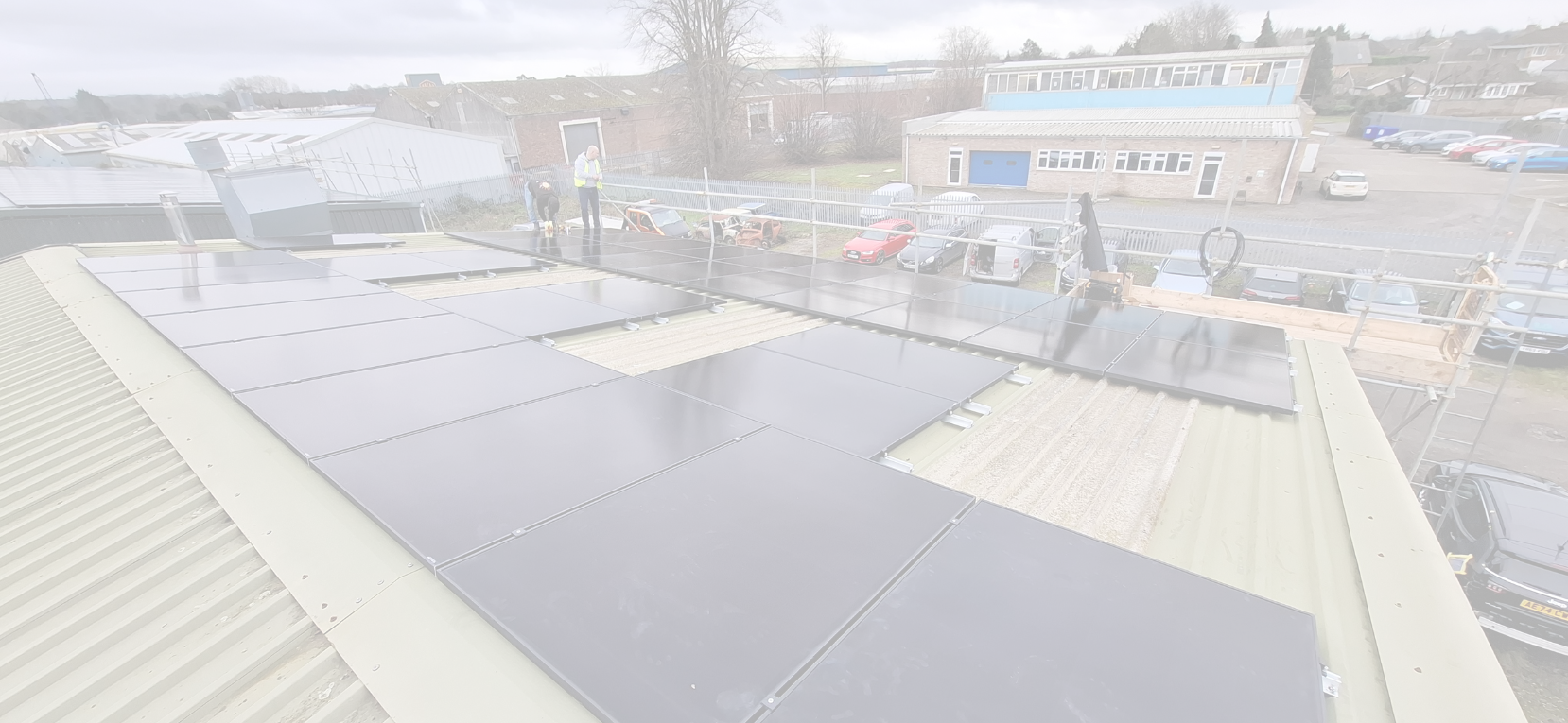
Commercial solar allows businesses to convert unused roof space into a productive energy asset, helping offset daytime electricity demand while reducing exposure to future price increases.
Unlike wholesale electricity markets, the cost of generating renewable electricity from a professionally designed solar PV system remains relatively predictable throughout the life of the installation.
For many organisations, this improves long-term financial planning while strengthening operational resilience.
Where appropriate, battery storage can further increase self-consumption of renewable electricity and reduce dependence on imported power during periods of higher demand.
Looking Beyond Immediate Savings
While reducing electricity bills remains an important objective, many businesses now view renewable energy as part of a wider operational strategy.
Commercial solar can contribute towards greater energy resilience, improved sustainability performance, stronger ESG credentials and better long-term control of operating costs.
These benefits often extend well beyond the direct financial savings generated by the installation itself.
As organisations continue investing in electric vehicle charging, battery storage and wider building electrification, on-site renewable generation is becoming an increasingly valuable part of future energy planning.
How Silvercrest Energy Group Supports Businesses
Silvercrest Energy Group works with commercial organisations across the UK to develop long-term energy strategies centred around renewable generation.
Our services include commercial feasibility studies, energy analysis, bespoke solar PV design, battery storage integration, financial modelling, professional installation and long-term operations and maintenance.
Every project is designed around the operational requirements of the organisation, ensuring renewable energy delivers measurable financial and operational value throughout its lifetime.
Final Thoughts
Rising energy prices have fundamentally changed the way many organisations think about electricity.
Rather than accepting energy as an unpredictable operating expense, businesses are increasingly investing in technologies that provide greater control over future costs.
Commercial solar has become an important part of that transition, helping organisations improve financial resilience while reducing dependence on increasingly volatile energy markets.
For many businesses, the question is no longer whether energy prices will continue to fluctuate—it is how prepared they are to manage those changes.
Frequently Asked Questions
Why are energy prices affecting businesses so much?
Electricity is a major operating cost for many organisations. Rising prices can reduce profitability, increase operating expenses and make long-term financial planning more difficult.
Which industries are most affected by rising electricity costs?
Manufacturing, warehousing, logistics, healthcare, retail, hospitality and many other commercial sectors with significant electricity demand are particularly exposed.
How can businesses reduce exposure to rising energy prices?
Many organisations are improving energy efficiency, investing in commercial solar, introducing battery storage and developing long-term energy strategies that reduce reliance on imported electricity.
Does commercial solar protect businesses from energy price increases?
Commercial solar reduces the amount of electricity purchased from the grid, helping businesses limit their exposure to future price volatility while improving long-term cost certainty.
How do I know if commercial solar is suitable for my organisation?
A professional feasibility study will assess your building, electricity demand and operational objectives before modelling the potential financial and operational benefits of a commercial solar installation.