
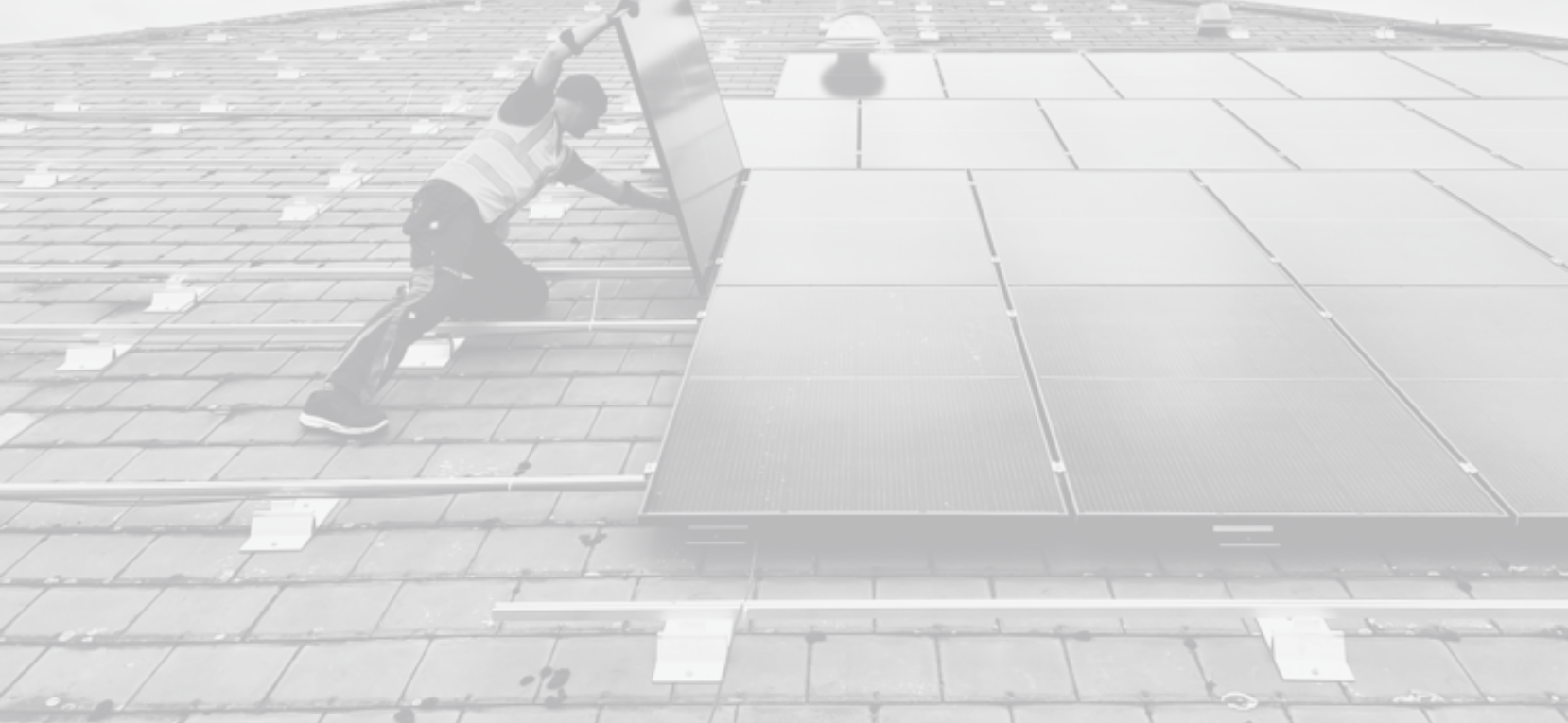
Installing solar panels on a listed building or architecturally sensitive commercial property requires far more than a standard solar installation. Success depends on careful planning, specialist engineering and an understanding of how to integrate modern renewable energy systems without compromising the character or integrity of the building.
At Silvercrest Energy Group, we specialise in delivering commercial solar PV installations for complex sites, including listed buildings, conservation areas, heritage estates and architecturally significant commercial properties. Our experience allows us to develop solutions where many installers simply see obstacles.
The Challenges of Installing Solar on Listed Buildings
Historic buildings present a unique set of engineering and planning challenges. Unlike modern commercial properties, every aspect of the installation must be carefully considered to protect both the building and its heritage value.
Rather than simply fixing panels to a roof, projects often require detailed structural assessments, discreet cable routing and close coordination with conservation requirements. Existing building services, roof construction and access routes all influence how a system can be designed and installed.
Many heritage properties also feature older electrical infrastructure that requires careful integration with modern solar technology, while maintaining compliance with current electrical standards.
Every project demands an individual solution rather than a standard installation template.
Engineering Around Sensitive Architecture
One recent commercial project involved installing a solar PV system on a heritage property where preserving the building’s external appearance was a fundamental requirement.
Instead of introducing visible surface-mounted cable routes, our engineers undertook a comprehensive survey of the building to identify existing service routes, ceiling voids and concealed risers that could accommodate the solar infrastructure.
By making use of the building’s existing internal pathways, we were able to install the DC cabling, monitoring systems and communication infrastructure entirely within the building envelope, leaving the external appearance unchanged.
This level of planning requires detailed technical knowledge and a thorough understanding of both modern solar systems and historic building construction.
Why Experience Matters
Many commercial solar installations follow relatively straightforward design principles. Heritage buildings, however, demand a much higher level of engineering expertise.
Older structures frequently present challenges such as complex roof layouts, restricted installation zones, fragile building materials, long cable runs and limited routes for electrical infrastructure. Planning requirements can add further complexity, particularly within conservation areas where preserving the visual character of the building is a priority.
These challenges often lead less experienced installers to decline projects altogether or introduce unnecessary costs to compensate for the additional complexity.
At Silvercrest Energy Group, specialist projects are part of what we do. By taking an engineering-led approach from the outset, we can develop practical solutions that maximise renewable energy generation while respecting the character of the building.
Planning Permission and Heritage Considerations
Installing solar panels on listed buildings or within conservation areas often requires additional planning considerations, although this does not automatically prevent solar from being installed.
Every project should begin with an assessment of the property’s planning status, roof layout and visibility from public viewpoints. In many cases, careful system design, sympathetic panel positioning and discreet installation methods can help address planning concerns while preserving the architectural significance of the building.
Working with an installer experienced in heritage projects helps ensure these considerations are addressed from the earliest stages of design, reducing delays and supporting a smoother planning process where consent is required.
Delivering Commercial Solar for Complex Properties
Our experience extends across a wide range of technically demanding environments, including listed buildings, schools, churches, commercial estates and architecturally sensitive developments.
Every project begins with a detailed feasibility assessment, allowing our engineers to evaluate the building structure, electrical infrastructure, cable routing, planning requirements and long-term performance objectives before developing a bespoke solar solution.
By combining technical expertise with practical installation experience, we can deliver commercial solar systems that provide long-term energy savings while protecting the buildings that make each project unique.
Why Choose Silvercrest Energy Group?
Installing solar on a listed or sensitive commercial property requires more than product knowledge. It requires careful engineering, project management and an understanding of how heritage buildings function.
Our multidisciplinary team combines expertise in commercial roofing, scaffolding, roof safety systems and renewable energy, allowing us to manage complex projects efficiently under one roof. This integrated approach reduces project risk, simplifies coordination and ensures every aspect of the installation is carefully planned from design through to commissioning.
Whether the project involves discreet cable routing, specialist access solutions or working alongside conservation requirements, we have the experience to deliver successful outcomes where others may struggle.
Speak to Our Specialist Team
If you’re considering solar for a listed building, heritage estate, school, church or architecturally sensitive commercial property, early planning is essential.
Silvercrest Energy Group provides comprehensive feasibility studies, technical surveys and bespoke commercial solar designs that balance renewable energy generation with the unique requirements of your building.
Contact our team today to discuss your project and discover how specialist engineering can make solar a viable solution for even the most challenging commercial properties.
Frequently Asked Questions
Can solar panels be installed on listed buildings?
Yes. Many listed buildings can accommodate solar panels, although planning permission or listed building consent may be required depending on the property’s designation and the proposed installation.
Do solar panels require planning permission in conservation areas?
It depends on the property and the local planning authority. Some installations may be permitted, while others require planning approval. A professional feasibility assessment can help identify the requirements before work begins.
How do you hide solar cabling in heritage buildings?
Where possible, existing service routes, ceiling voids, risers and concealed building spaces are used to route cabling internally, minimising the visual impact and preserving the building’s architectural character.
Are listed buildings suitable for commercial solar?
Many are. Every building is different, but with careful design, specialist engineering and the correct planning approach, commercial solar can often be successfully integrated into heritage and architecturally sensitive properties.
Why choose a specialist installer for heritage solar projects?
Listed buildings require a much higher level of technical planning than standard commercial installations. An experienced installer understands how to balance planning requirements, building preservation, structural considerations and long-term system performance to deliver a successful project.