
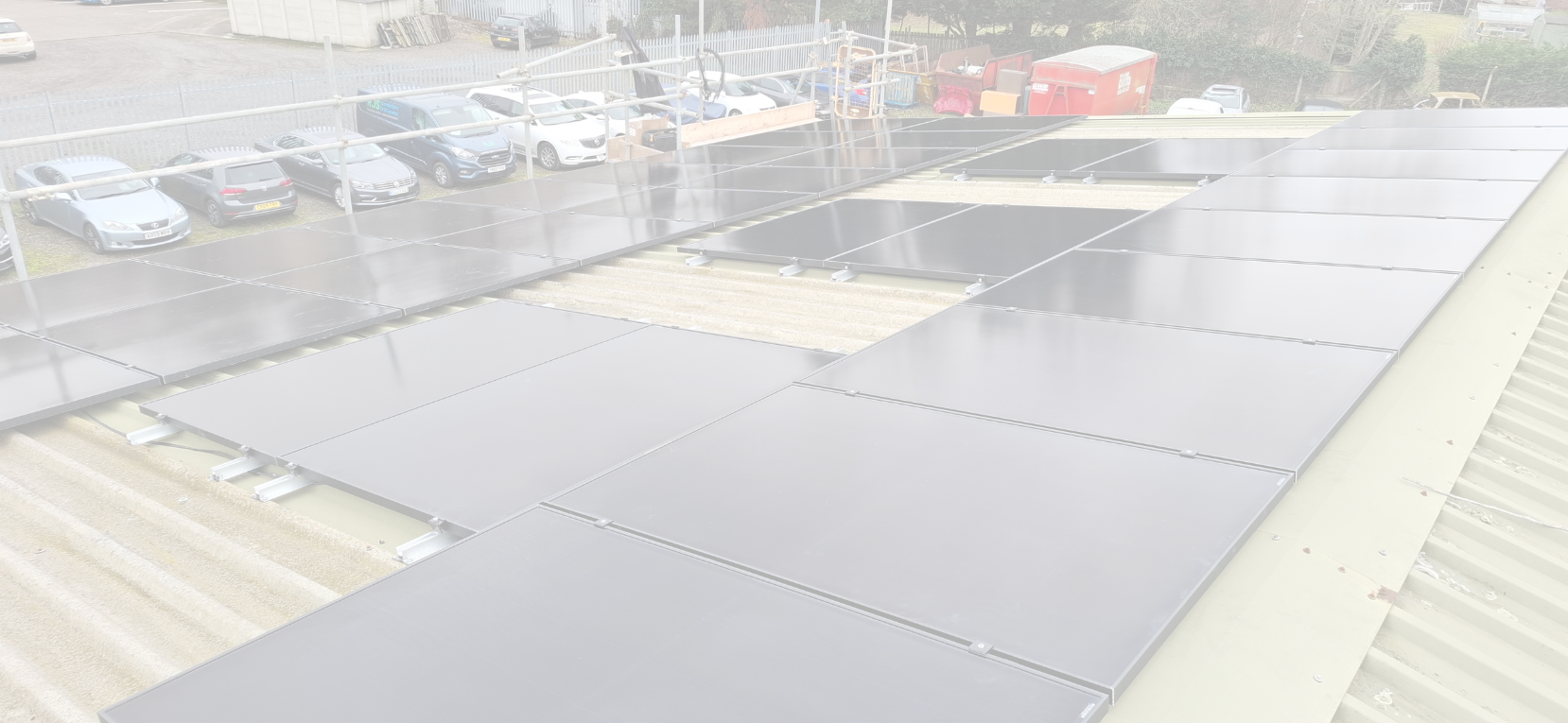
Businesses across the South East are being encouraged to accelerate their solar energy plans ahead of an anticipated increase in solar module prices expected in coming months.
Energy specialists warn that global supply chain pressures, material costs and policy changes within the solar manufacturing sector are likely to push photovoltaic (PV) module prices higher. For commercial organisations considering solar power, acting sooner rather than later could help avoid higher project costs and longer installation lead times.
At a time when many businesses are seeking to reduce operating costs and strengthen their sustainability credentials, solar energy continues to provide one of the most reliable long term solutions.
Global Supply Pressures Are Affecting Solar Module Costs
The global solar market has experienced significant growth over the past decade, with demand for renewable energy technologies increasing rapidly. However, this surge in demand has also created supply challenges.
Several key factors are contributing to expected price increases across the solar PV sector:
- Reduced manufacturing subsidies in China, which produces the majority of the world’s solar modules
- Rising material costs, particularly for critical components such as polysilicon and silver
- Ongoing global supply chain disruption, affecting manufacturing and transportation
- Increasing global demand for solar installation from governments, businesses and homeowners
As the UK imports the majority of its solar module technology, changes within global manufacturing markets can quickly influence pricing and availability domestically. For UK businesses planning large scale solar installations, these global factors may lead to higher equipment costs and longer procurement times if projects are delayed.
Why Businesses Should Consider Moving Forward Now
For organisations planning to invest in solar power, securing equipment and installation capacity earlier can offer several advantages.
Locking in Current Pricing
Solar module prices can fluctuate depending on global supply conditions. Businesses that progress with projects sooner may be able to secure current pricing before further increases take effect.
Avoiding Supply Delays
As demand for solar systems increases, installation schedules can become increasingly booked. Acting early helps ensure that hardware and installation resources are available when needed.
Protecting Sustainability Timelines
Many businesses now have environmental targets tied to carbon reduction, ESG reporting or Net Zero commitments. Delays in implementing renewable energy solutions can impact these targets and the timelines associated with them.
Reducing Exposure to Energy Price Volatility
With electricity prices remaining unpredictable in the UK, generating power on-site through solar can provide businesses with greater control over long term energy costs.
Solar Energy Remains a Strong Long Term Investment
Despite short term fluctuations in hardware costs, solar energy continues to deliver strong financial and environmental benefits for commercial organisations.
A well designed commercial solar PV system can:
- Reduce electricity bills significantly
- Improve energy security and independence
- Support corporate sustainability and ESG goals
- Lower long term operating costs
- Increase property value and energy efficiency ratings
With solar systems typically operating for 30 years or more, businesses can generate clean electricity for decades while reducing their reliance on grid energy.
Growing Demand for Commercial Solar in the UK
Across the UK, commercial solar adoption continues to grow rapidly as organisations respond to rising energy prices and environmental responsibilities.
Warehouse, factories, offices, retail facilities and agricultural buildings are particularly will suited for rooftop solar installations due to their large roof areas and high daytime energy usage.
Government policy and corporate sustainability goals are also accelerating the shift towards on-site renewable energy generation. For many businesses, solar power is now viewed not only as a sustainability measure but also as a strategic financial investment that helps protect against long term energy market volatility.
Planning a Solar Project for Your Business
For organisations exploring solar energy, early planning is key. A professional solar assessment typically evaluates:
- Roof space and structural suitability
- Current electricity usage patterns
- Potential system size and generation capacity
- Estimated financial savings and return on investment
- Grid connection and export opportunities
Working with experienced commercial solar specialists, like Silvercrest Energy, helps ensure that systems are designed to maximise performance while meeting regulatory and safety standards.
The Bottom Line
While solar energy continues to be one of the most cost effective renewable technologies available, market conditions can influence equipment pricing and availability.
For businesses considering solar PV installations, moving forward sooner rather than later may help secure better pricing, avoid supply constraints and accelerate progress toward sustainability targets.
As the UK continues transitioning toward cleaner energy systems, commercial solar is expected to play a central role in helping organisations reduce costs, improve energy resilience and lower their environmental impact.