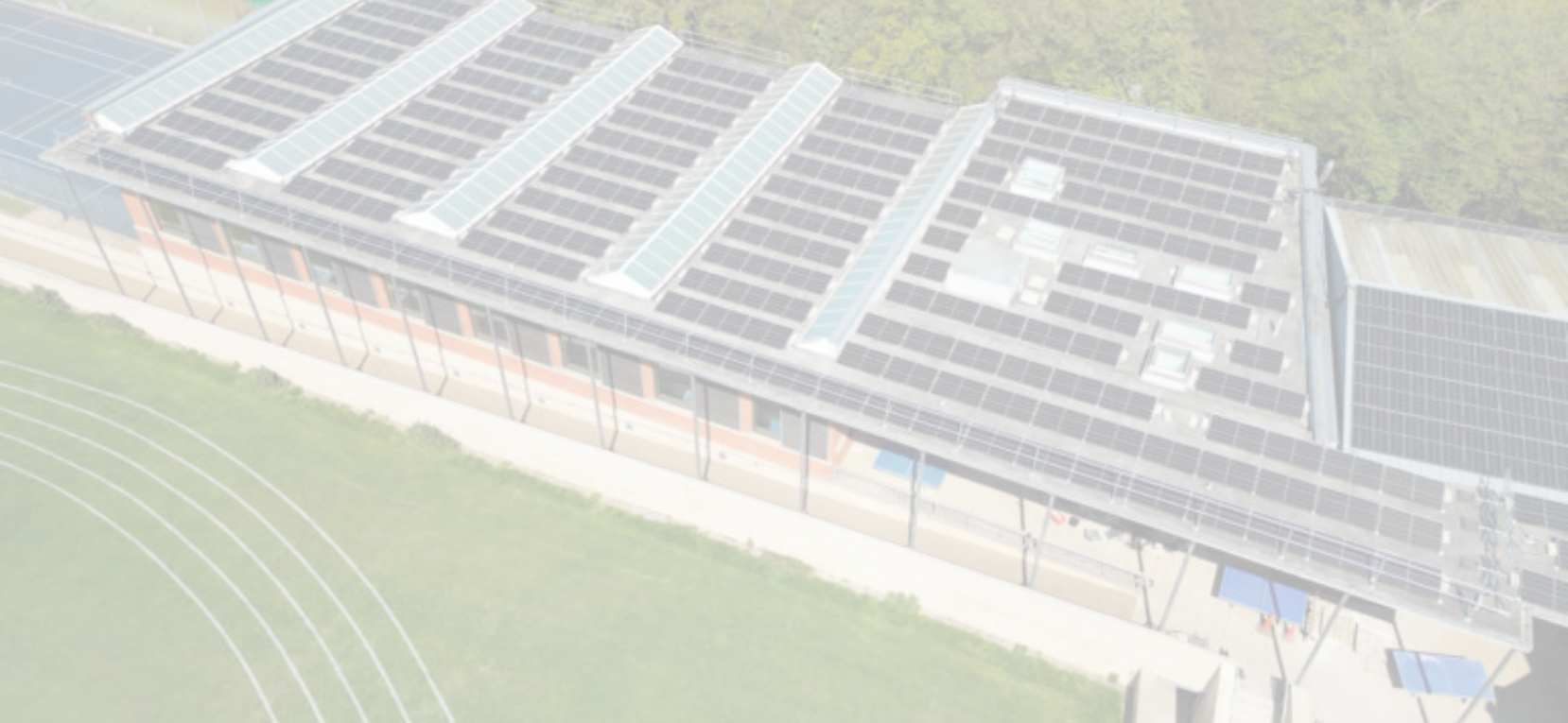
For large commercial properties, industrial estates, logistics hubs and multi-tenant buildings, a single, all-at-once solar installation is not always the most practical or financially efficient route.
A multi-phase commercial solar installation allows businesses and commercial landlords to deploy solar PV strategically – across multiple roofs, units or buildings – while managing capital expenditure, minimising disruption and aligning with operational priorities.
If you are responsible for a sizeable commercial asset portfolio, this guide outlines how to plan a phased solar PV rollout correctly, from feasibility to grid connection and long term asset management.
Why Choose a Multi-Phase Commercial Solar Strategy?
For large properties, complexity increases exponentially:
- Multiple roof orientations and structures
- Different tenant energy profiles
- Varying lease agreements
- Grid capacity constraints
- Budget allocation across financial years
A phased approach allows you to:
- Spread capital investment over time
- Prioritise high-consumption or high-yield roof areas first
- Align installation with lease events or refurbishments
- Navigate grid connection limitations strategically
- Optimise ROI at each stage
For commercial landlords, this also support ESG reporting, EPC improvements and tenant retention without overwhelming operations.
Step 1: Portfolio Level Energy and Asset Assessment
Before installing a single panel, you need a structured energy audit across the entire site or portfolio. This includes half hourly consumption data analysis and load profiling (peak vs base load demand). Structural assessments and roof condition surveys are necessary to ensure there’s no repairs or maintenance required on your roof first – solar panels have a lifespan of 30 years or more so it’s important to make sure your roof is in good condition before installation.
Existing electrical infrastructure and consumer units will need to be checked and wiring routes planned. At SolarTherm UK we will also handle all the paperwork required for your DNO application, whether this is a G99 or G100 application.
Step 2: Prioritising Roof Sections and Buildings
Not all roof space delivers equal performance. Prioritisation should be based on:
- Highest daytime energy demand
- South- or east/west-facing roof orientation
- Structural suitability
- Long term asset retention plans
- Grid availability
This staged deployment ensures early phases generate maximum return while later phases expand total generation capacity.
Step 3: Financial Modelling for Phased Rollout
Commercial solar for large properties is capital intensive, but properly structured modelling reduces risk. Key financial considerations include CAPEX per phase and Internal Rate of Return (IRR). Payback period per phase and a blended ROI across the full rollout also need to be taken into consideration.
Financing options will also need to be considered – cash purchase, asset finance or Green Energy loans. A phased design allows each section to be evaluated independently, improving investment decision making.
Step 4: Grid Capacity and Export Strategy
For large scale commercial systems, grid capacity is often the limiting factor. You may encounter export restrictions, curtailment requirements or upgrade costs. At SolarTherm UK we handle your DNO application and will design your system with restrictions in mind. We can install systems with export limitations in place, install each phase in line with grid upgrades or incorporate battery storage to absorb any surplus energy.
Battery storage can significantly improve the viability of later phases where export becomes constrained. Integrating battery storage alongside phased solar deployment can enhance grid compliance and improve on site utilisation.
Step 5: Managing Tenant and Operational Disruption
For multi-tenant properties, installation logistics must be carefully managed. Tenant communication is key, coordinating scaffold access, health and safety compliance and keeping disruption to a minimum. A well structured phase plan reduces operational disruption and allows installation to align with low demand periods.
Step 6: Designing for Future Expansion
One of the most common mistakes in phased commercial solar installations is failing to design phase 1 with phase 4 in mind. Future proofing should include oversized inverters, scalable mounting systems, electrical infrastructure sized for expansion and monitoring platforms capable of portfolio level oversight. Your solar PV system should operate as a unified energy asset – even if installed over multiple years.
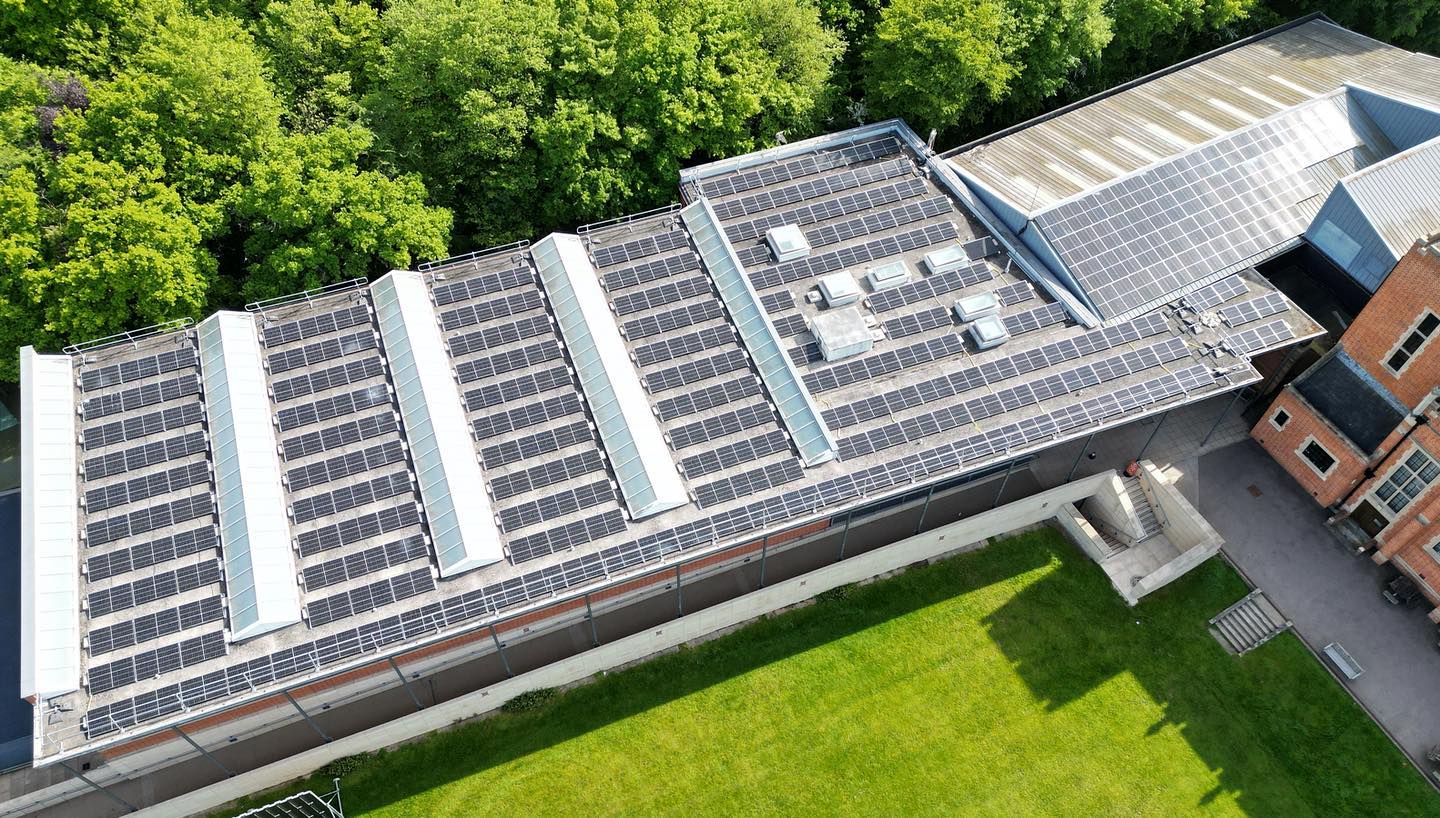
Phase 1 – 2024
-
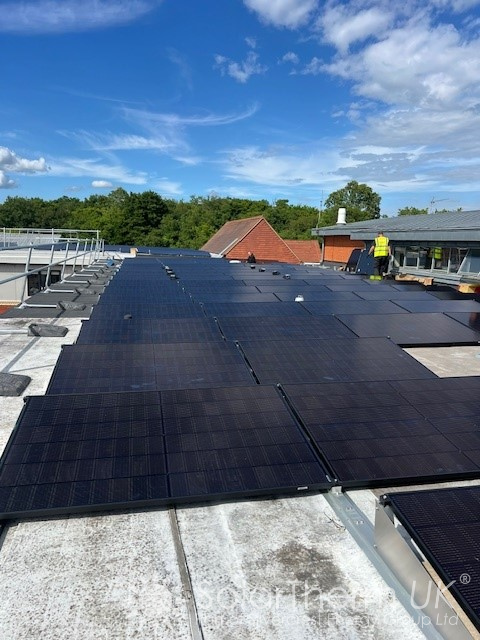
- Phase 2 – 2025
-
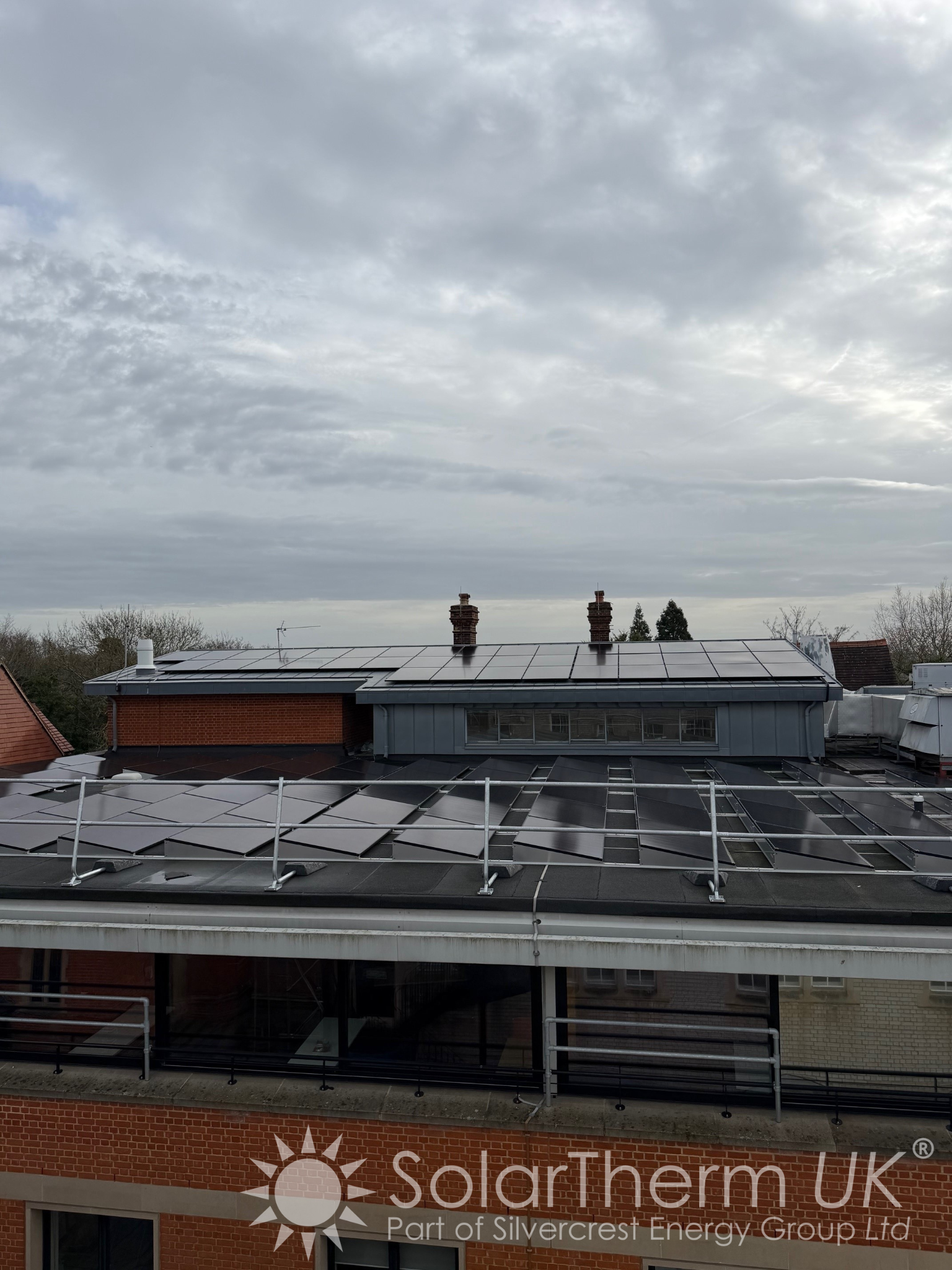
- Phase 3 – 2026
ESG, Compliance and Corporate Reporting
Phased solar installations align well with structured ESG roadmaps. Benefits include:
- Scope 2 emissions reduction
- Tangible decarbonisation milestones
- Improved sustainability reporting
- Enhanced brand positioning
- Long term operational cost stability
For companies with Net Zero targets, a phased approach provides measurable progress year on year.
Final Thoughts
A multi-phase commercial solar installation is not simple a technical decision – it is a strategic asset management decision. When properly designed, it allows large commercial properties to reduce operational costs and future proof against volatile energy prices. Sustainability credentials are improved, aligning well with ESG roadmaps.
For commercial landlords and corporate property owners, solar is no longer a single project – it is an infrastructure programme. Planning a multi-phase install allows you to manage capital deployment intelligently, using savings to install the next phase.
If you would like a structured feasibility assessment for your property or portfolio, Silvercrest Energy Group can provide a detailed commercial solar appraisal tailored to your buildings, tenants and long term strategy.