
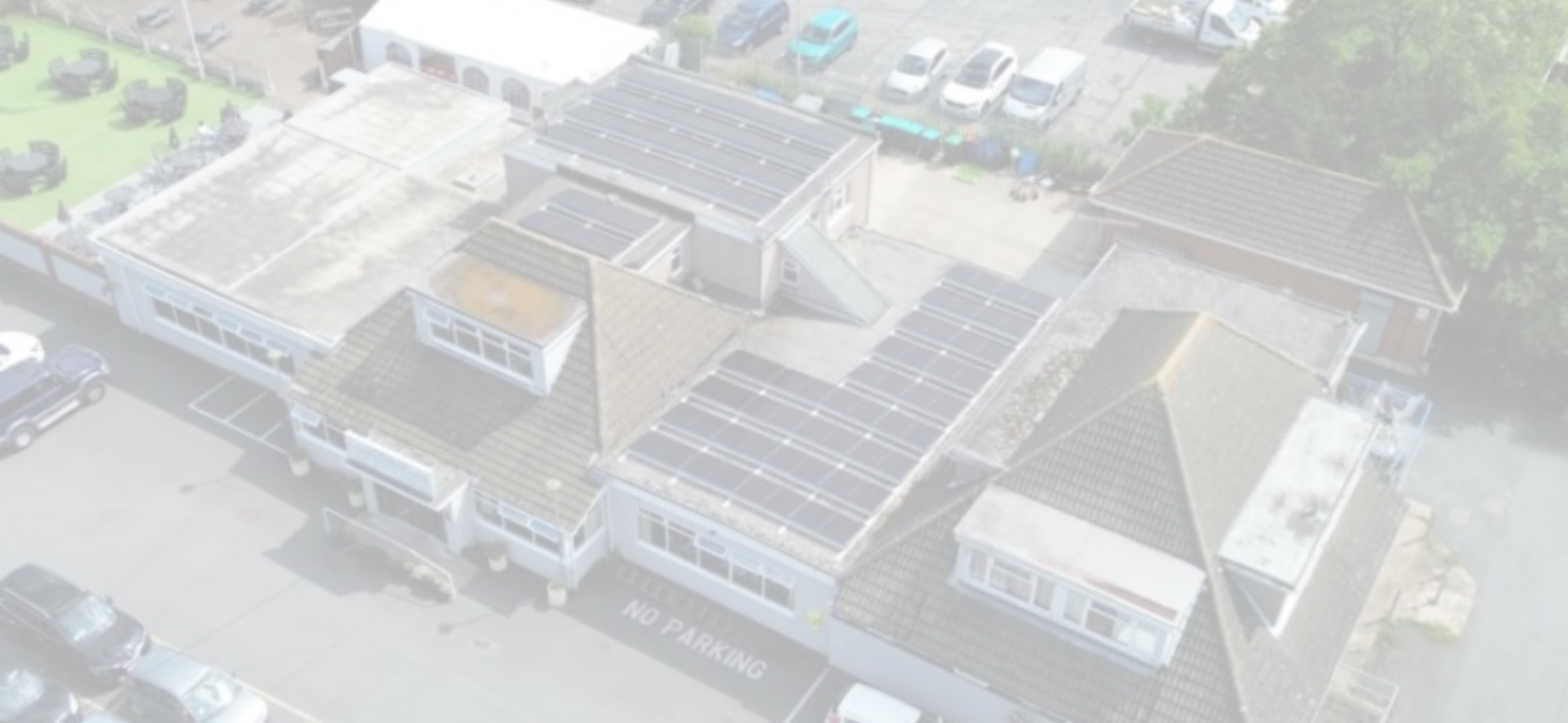
Periods of vacancy are often viewed as a challenge for commercial property owners. However, they can also present an opportunity to improve building performance, reduce future operating costs and increase the long-term value of an asset before new tenants move in.
With electricity prices remaining volatile, sustainability expectations increasing and minimum energy efficiency standards continuing to evolve, many landlords are using vacant periods to invest in commercial solar and battery storage.
By completing energy upgrades before a property is re-let, owners can minimise disruption, improve the building’s marketability and strengthen its long-term investment performance.
Why Vacant Buildings Create an Ideal Installation Window
Installing commercial solar while a building is vacant provides practical advantages that are often difficult to achieve once tenants occupy the premises.
Without the need to coordinate around business operations, projects can often be delivered more efficiently while reducing programme complexity.
Benefits include:
- Minimal disruption to future occupiers
- Easier site access
- Faster installation programmes
- Greater flexibility when scheduling works
- Improved coordination with planned maintenance or refurbishment
For landlords already undertaking roof works or building improvements, commercial solar can often be incorporated into the wider project.
Improve Building Performance Before Re-Letting
Energy efficiency has become an increasingly important factor for businesses selecting commercial premises.
Installing commercial solar can help improve a property’s long-term performance by:
- Reducing landlord-controlled electricity costs
- Supporting improved EPC performance
- Strengthening environmental credentials
- Increasing tenant appeal
- Supporting future sustainability objectives
For many organisations, energy-efficient premises are becoming an important consideration when evaluating new commercial space.
Protect Against Rising Electricity Costs
Electricity remains one of the largest operating costs for many commercial buildings.
Generating renewable electricity on site helps reduce dependence on imported grid electricity while providing greater certainty over future energy expenditure.
For landlords responsible for communal areas or shared building services, commercial solar can also reduce ongoing operational costs associated with:
- Lighting
- Building management systems
- HVAC equipment
- Shared facilities
- Security infrastructure
Battery Storage Can Further Improve Performance
Commercial battery storage is becoming an increasingly valuable addition to commercial solar installations.
By storing surplus renewable electricity for use later in the day, battery systems can:
- Increase self-consumption
- Reduce peak demand charges
- Improve energy resilience
- Maximise return on investment
For multi-let buildings and properties with varying occupancy patterns, battery storage can provide additional operational flexibility.
Future-Proofing Commercial Property
Commercial property owners continue to face increasing expectations around energy efficiency, sustainability and building performance.
Investing during periods of vacancy allows improvements to be completed proactively rather than reactively.
A professionally designed commercial solar system can help:
- Improve long-term asset performance
- Reduce exposure to future energy price volatility
- Support evolving environmental standards
- Enhance the property’s long-term competitiveness
Planning ahead also allows owners to coordinate renewable energy projects alongside wider refurbishment or maintenance programmes.
Every Building Requires a Bespoke Approach
No two commercial buildings are the same.
Before designing a commercial solar system, Silvercrest Energy Group carries out detailed feasibility studies considering:
- Roof construction
- Structural capacity
- Electricity demand
- Grid connection requirements
- Available roof space
- Future expansion opportunities
This ensures every system is designed around the building’s operational requirements and investment objectives.
How Silvercrest Energy Group Supports Commercial Property Owners
Silvercrest Energy Group designs and installs bespoke commercial solar PV and battery storage systems for landlords, property investors and commercial property portfolios across the UK.
Our services include:
- Commercial feasibility studies
- Site surveys and structural assessments
- Energy consumption analysis
- Financial modelling and ROI forecasting
- Bespoke system design
- Grid connection support
- Professional installation
- Operations and maintenance
Every project is engineered to improve building performance while delivering measurable long-term financial and environmental value.
Final Thoughts
Vacant commercial units present a valuable opportunity to invest in long-term building improvements before new tenants move in.
Installing commercial solar during this period allows landlords to improve energy efficiency, reduce operating costs and enhance the overall attractiveness of their property while avoiding disruption to occupiers.
By acting during planned vacancy or refurbishment periods, property owners can strengthen both the operational performance and long-term value of their commercial assets.
Frequently Asked Questions
Is it easier to install commercial solar while a building is vacant?
Yes. Vacant properties typically allow easier site access, fewer operational constraints and reduced disruption, making installation programmes more efficient.
Can commercial solar improve tenant appeal?
Increasingly, yes. Many businesses are looking for energy-efficient premises that support lower operating costs and stronger sustainability performance.
Is battery storage suitable for commercial properties?
Battery storage can improve self-consumption, reduce peak electricity costs and increase energy resilience, particularly for multi-let or higher-demand buildings.
Can commercial solar be installed during refurbishment projects?
Yes. Many landlords coordinate commercial solar installations alongside roof replacements, refurbishments or planned maintenance works to reduce disruption and improve project efficiency.
How do I know if my building is suitable?
A professional feasibility study will assess roof suitability, structural capacity, electricity demand and financial objectives before recommending the most appropriate solution.