
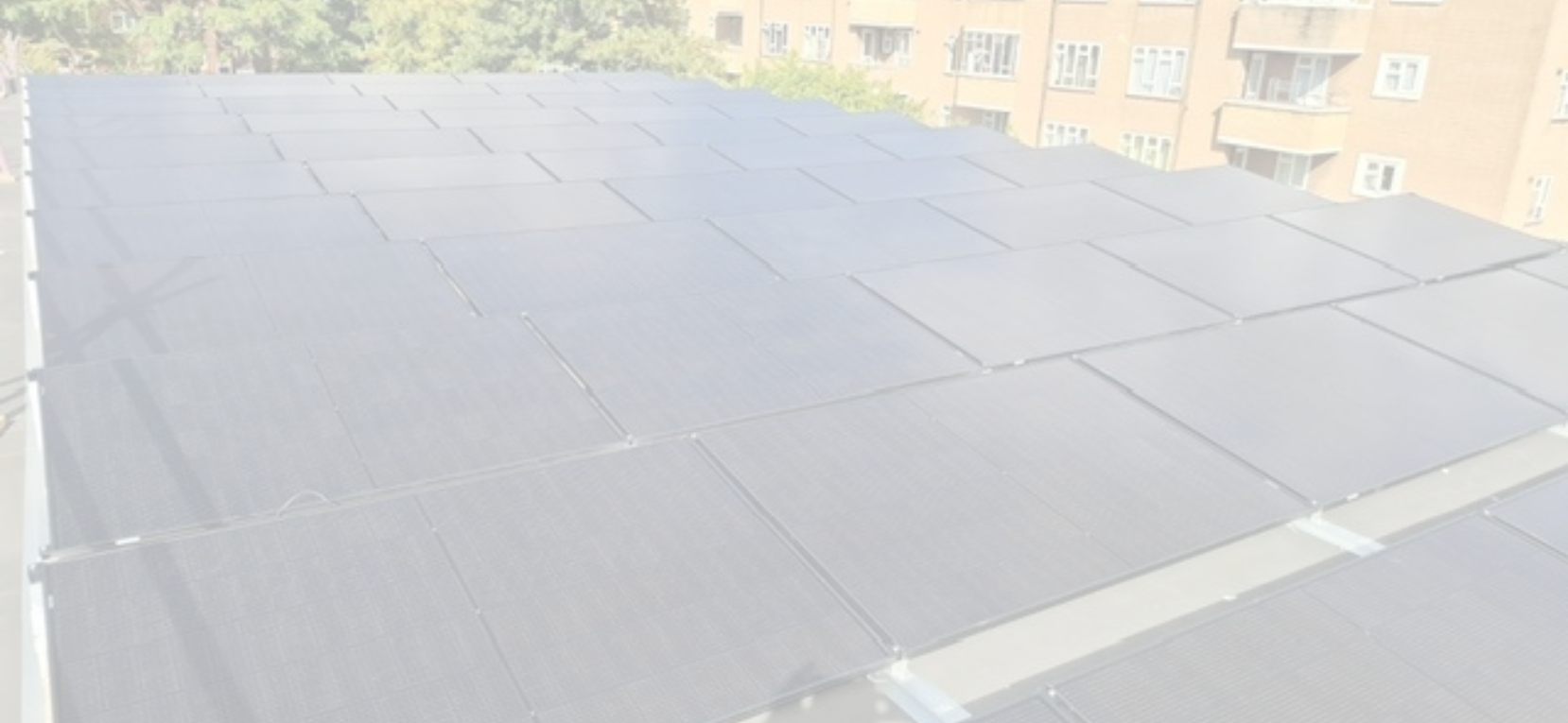
Managing energy costs has become an increasingly important challenge for hospitality businesses.
Hotels, guesthouses, serviced accommodation providers and holiday parks all rely on substantial amounts of electricity to deliver comfortable, high-quality guest experiences. Heating, cooling, catering, lighting, laundry facilities and leisure amenities all contribute to significant operating costs throughout the year.
Commercial solar offers a practical way to reduce those costs while improving energy resilience and supporting long-term sustainability objectives.
This guide explains why hotels, B&Bs and other accommodation providers are increasingly investing in commercial solar and how renewable energy can become part of a wider business strategy.
Hospitality Businesses Have High Electricity Demand
Unlike many commercial buildings, hotels and accommodation providers consume electricity throughout the day and often well into the evening.
Guest rooms, reception areas, restaurants, bars, kitchens, laundry facilities, conference spaces, gyms, swimming pools and spa facilities all contribute to continuous electricity demand.
Many hospitality businesses also provide electric vehicle charging, further increasing overall energy consumption.
Because so much of this electricity is used during daylight hours, commercial solar can often offset a significant proportion of grid electricity purchases.
Why Commercial Solar Works Well for Hotels
Commercial solar generates renewable electricity during the same period that many hospitality businesses experience their highest operational demand.
Housekeeping, food preparation, laundry operations, air conditioning, ventilation and administrative functions all typically take place throughout the day, allowing a large proportion of the electricity generated to be used immediately on site.
Using renewable electricity as it is generated generally provides the greatest financial benefit, helping reduce operating costs while improving long-term budget certainty.
For businesses operating into the evening, battery storage may also be considered as part of a wider energy strategy.
Reducing Long-Term Operating Costs
Electricity represents one of the largest controllable operating expenses for many hospitality businesses.
Commercial solar enables accommodation providers to generate a proportion of their electricity on site, reducing dependence on fluctuating energy markets while improving long-term financial planning.
Rather than viewing electricity solely as an unavoidable overhead, many operators now see renewable energy as an investment that contributes directly to business performance throughout the lifetime of the building.
Supporting Sustainable Tourism
Environmental performance is becoming increasingly important within the hospitality sector.
Guests are placing greater emphasis on sustainable accommodation, while corporate customers, travel management companies and event organisers are also considering environmental credentials when selecting venues.
Commercial solar can support wider sustainability strategies by reducing operational carbon emissions and demonstrating a visible commitment to renewable energy.
For many businesses, these improvements strengthen both brand reputation and long-term competitiveness.
Integrating Solar with EV Charging
Electric vehicle charging is becoming an increasingly valuable service for hotels, guesthouses and visitor attractions.
Where commercial solar is installed alongside EV charging infrastructure, a proportion of the electricity used to charge guest vehicles can be generated on site, improving overall energy efficiency while reducing electricity purchased from the grid.
Planning solar and EV charging together also allows future energy demand to be considered as part of the overall system design.
Every Hospitality Property Is Different
The most effective commercial solar installation depends on far more than the size of the roof.
Building layout, electricity demand, occupancy levels, operational hours, future expansion plans and available roof space all influence how a system should be designed.
A professional feasibility study considers these factors before recommending the most appropriate system size, ensuring the installation delivers the strongest operational and financial performance over the long term.
How Silvercrest Energy Group Supports Hospitality Businesses
Silvercrest Energy Group designs and installs bespoke commercial solar PV systems for hotels, guesthouses, holiday accommodation providers and other hospitality businesses across the UK.
Our services include feasibility studies, energy analysis, financial modelling, bespoke solar PV design, battery storage integration, EV charging infrastructure, professional installation and long-term operations and maintenance.
Every system is engineered around the operational requirements of the business, helping maximise renewable energy generation while supporting long-term commercial performance.
Final Thoughts
Hospitality businesses depend on reliable, affordable electricity to deliver excellent guest experiences.
Commercial solar provides an opportunity to reduce operating costs, improve energy resilience and strengthen sustainability credentials while making productive use of available roof space.
As electricity continues to represent a significant business expense, renewable energy is becoming an increasingly important part of long-term planning for hotels, guesthouses and holiday accommodation providers.
Frequently Asked Questions
Are hotels suitable for commercial solar?
Yes. Hotels often have substantial daytime electricity demand and large roof areas, making them well suited to commercial solar installations.
Can guesthouses and B&Bs benefit from solar?
Many guesthouses and larger B&Bs can benefit from commercial solar, particularly where electricity demand is consistent throughout the day.
Does battery storage make sense for hotels?
Battery storage may be beneficial for businesses with significant evening electricity demand, although its suitability should be assessed as part of a professional feasibility study.
Can solar power EV chargers?
Yes. Commercial solar can generate electricity used to support on-site EV charging infrastructure, helping reduce electricity purchased from the grid.
How do I know if my accommodation business is suitable for solar?
A professional feasibility study will assess your property’s roof space, electricity consumption, operational requirements and financial objectives before recommending the most appropriate solution.