Net Zero has moved from being a long-term aspiration to a business priority.
Whether you’re responding to customer expectations, strengthening your ESG strategy, reducing operating costs or preparing for future regulation, most organisations recognise that lowering carbon emissions is becoming an important part of long-term business planning.
The challenge is knowing where to begin.
With so many technologies, funding options and sustainability initiatives available, it’s easy to become overwhelmed. The most successful organisations don’t try to do everything at once—they prioritise the improvements that deliver the greatest operational and financial impact first.
For many commercial properties, that journey begins with understanding how energy is used and identifying opportunities to reduce reliance on grid electricity.
What Does Net Zero Mean for Businesses?
Net Zero means reducing greenhouse gas emissions as far as reasonably possible before addressing any remaining unavoidable emissions through recognised offsetting or removal schemes.
For most organisations, the largest controllable source of carbon emissions is energy consumption.
Electricity used to power buildings, equipment, lighting, heating and operational processes contributes significantly to an organisation’s overall carbon footprint. Reducing this demand—or replacing grid electricity with renewable generation—is often one of the most effective first steps.
Start with Your Energy Data
Before investing in new technology, it’s important to understand how your business currently consumes electricity.
A professional energy assessment typically considers:
- Annual electricity consumption
- Half-hourly or smart meter data
- Peak demand periods
- Seasonal variations
- Operational hours
- Future expansion plans
Understanding these patterns allows renewable energy systems to be designed around the way your business actually operates, rather than simply maximising the number of solar panels installed.
Why Commercial Solar Is Often the First Investment
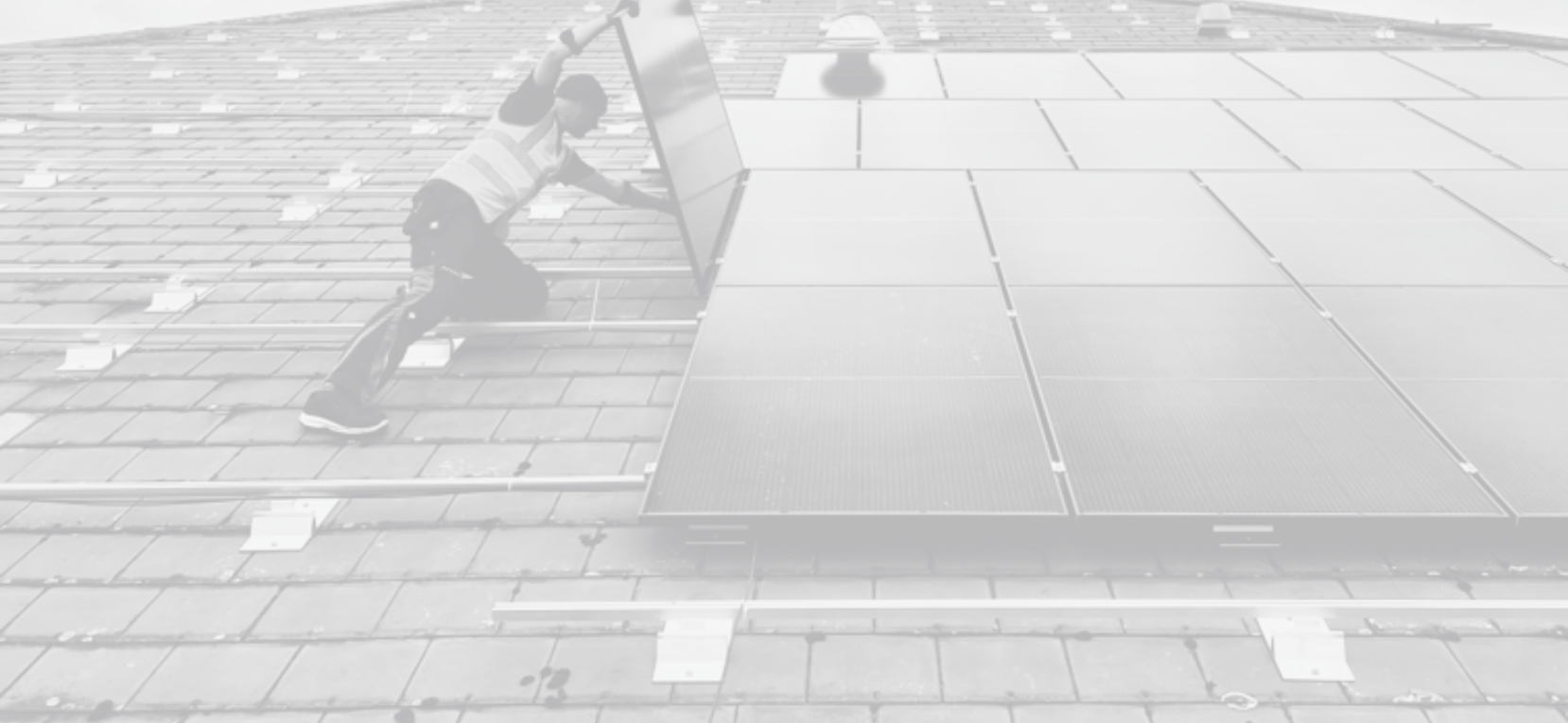
Commercial solar PV is one of the few sustainability initiatives that can reduce both carbon emissions and operating costs immediately.
By generating electricity on site, businesses purchase less power from the grid while reducing exposure to future energy price increases.
A professionally designed commercial solar installation can provide:
- Lower electricity costs
- Greater energy independence
- Measurable carbon reductions
- Improved ESG performance
- Strong long-term financial returns
For many commercial buildings, solar continues generating renewable electricity for more than 30 years, making it a long-term infrastructure investment rather than simply an energy-saving measure.
Consider Battery Storage Alongside Solar
Battery energy storage can further improve system performance by storing surplus electricity generated during the day for use later.
Depending on your electricity tariff and operating profile, battery storage may help to:
- Increase self-consumption of solar energy
- Reduce peak demand charges
- Improve operational resilience
- Support critical loads during interruptions
- Optimise electricity purchasing strategies
Not every business requires battery storage immediately, but it should form part of the feasibility assessment when designing a commercial solar system.
Look Beyond Renewable Generation
Net Zero is rarely achieved through a single technology.
Once renewable generation is in place, many organisations continue improving performance through measures such as:
- LED lighting upgrades
- Building management systems
- EV charging infrastructure
- Heat pump integration
- Improved insulation and building fabric
- Smarter energy monitoring
Together, these improvements can significantly reduce operational emissions while improving overall energy efficiency.
Build a Strategy, Not Just a Project
The most successful organisations treat decarbonisation as a long-term business strategy rather than a series of disconnected upgrades.
Developing a phased roadmap allows businesses to prioritise investments, align projects with capital expenditure cycles and ensure future technologies can be integrated as operational requirements evolve.
This approach often delivers stronger financial returns while avoiding unnecessary redesign or duplicated investment.
Why Businesses Are Investing Now
Several factors continue to drive commercial investment in renewable energy, including:
- Rising and unpredictable electricity costs
- Increasing customer and supply chain sustainability expectations
- ESG and corporate reporting requirements
- Long-term operational cost reduction
- Greater focus on energy resilience and business continuity
For many organisations, renewable energy is no longer viewed solely as an environmental initiative—it has become a strategic business investment.
How Silvercrest Energy Group Supports Your Net Zero Journey
Silvercrest Energy Group helps organisations across the UK develop practical, commercially focused renewable energy strategies.
Our team provides feasibility assessments, detailed energy analysis, commercial solar design, battery storage solutions and funding options that align with your operational requirements and long-term business objectives.
Rather than offering standard packages, we design every system around your building, your electricity demand and your future plans, ensuring your investment delivers measurable financial and environmental value.
Final Thoughts
Reaching Net Zero is a long-term process, but every successful strategy starts with a first step.
For many businesses, that first step is understanding their energy use and investing in technologies that reduce both operating costs and carbon emissions.
Commercial solar, supported by battery storage where appropriate, remains one of the most effective ways to begin that journey—providing immediate savings, long-term resilience and measurable progress towards your sustainability goals.
Frequently Asked Questions
What is Net Zero for businesses?
Net Zero means reducing greenhouse gas emissions as much as possible before balancing any remaining emissions through recognised offsetting or removal methods.
Is commercial solar a good first step towards Net Zero?
For many organisations, yes. Commercial solar can significantly reduce electricity-related emissions while lowering operating costs and improving energy resilience.
Does every business need battery storage?
Not necessarily. The value of battery storage depends on your electricity usage, tariff structure and operational requirements. A feasibility study will determine whether it is financially beneficial.
How do I know where to begin?
A professional energy assessment is usually the best starting point. Understanding how your organisation uses electricity allows a tailored decarbonisation strategy to be developed around your business.
Can Net Zero improvements be delivered in phases?
Yes. Many organisations implement renewable energy, battery storage and efficiency improvements over several years, aligning investment with operational priorities and available budgets.