
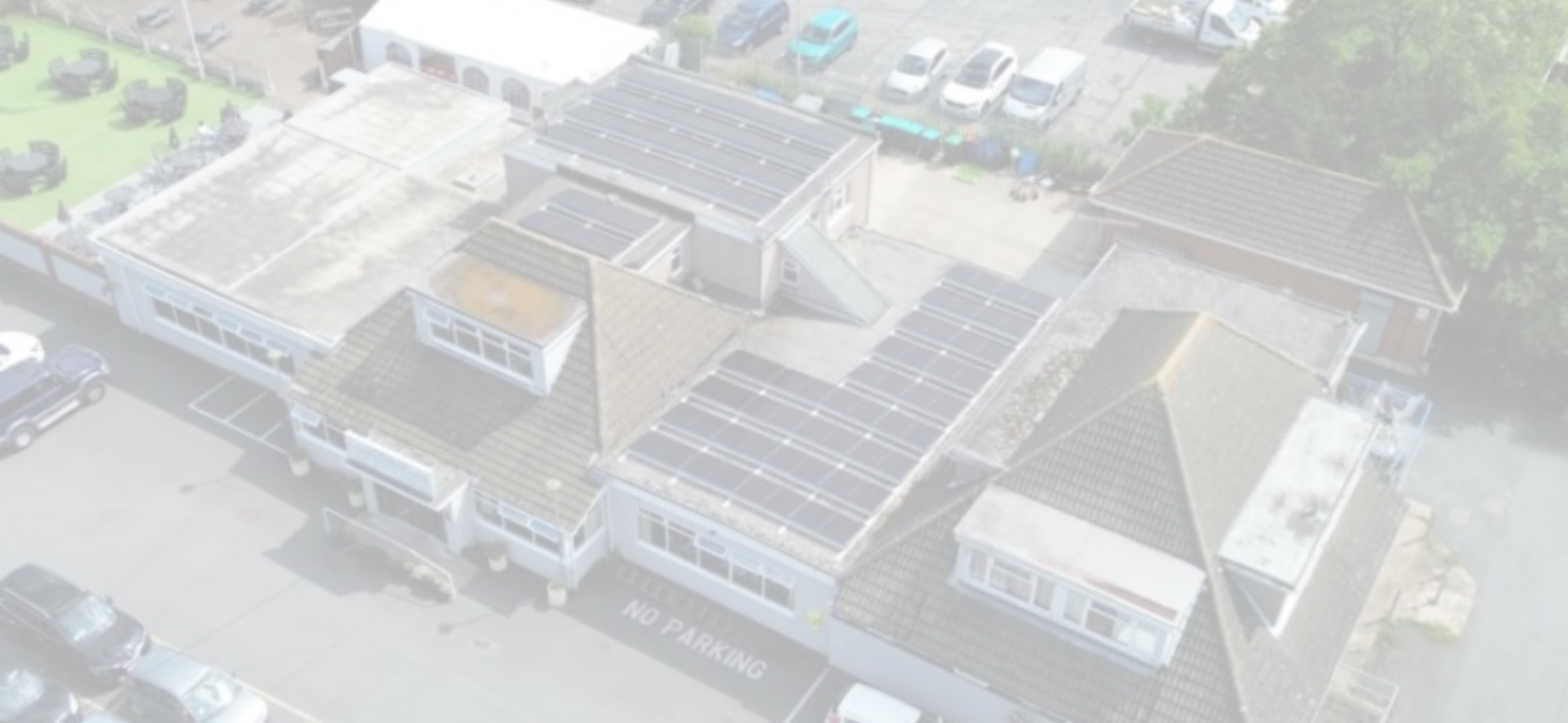
Environmental, Social and Governance (ESG) has become an important consideration for organisations across every sector. Whether you’re responding to customer expectations, meeting supply chain requirements, attracting investment or preparing for future reporting obligations, businesses are increasingly expected to demonstrate measurable progress towards sustainability.
For many organisations, one of the most effective ways to achieve this is through commercial solar.
A professionally designed solar PV system doesn’t simply reduce carbon emissions. It lowers operating costs, improves energy resilience and provides measurable environmental data that supports ESG reporting for decades to come. Unlike many sustainability initiatives, commercial solar delivers both environmental improvements and a clear financial return, making it one of the few investments that benefits both the balance sheet and the sustainability strategy.
Why ESG Matters More Than Ever
ESG is no longer reserved for multinational corporations. Businesses of every size are increasingly being asked to demonstrate their environmental performance when tendering for contracts, working within larger supply chains or securing investment. Customers, investors and procurement teams are placing greater emphasis on organisations that can provide evidence of genuine sustainability improvements rather than simply making commitments.
Renewable energy is one of the clearest ways to demonstrate that action. Installing commercial solar provides visible, measurable progress that can be reported year after year while continuing to reduce operating costs.
Reducing Carbon Emissions Through Commercial Solar
Electricity consumption is often one of the largest contributors to a commercial building’s carbon footprint. By generating renewable electricity on site, businesses can significantly reduce their reliance on grid electricity, lowering Scope 2 emissions and making measurable progress towards Net Zero objectives.
A commercial solar installation provides decades of renewable energy generation, allowing organisations to reduce operational emissions throughout the lifetime of the system. Every unit of electricity generated on your roof is one less unit purchased from the grid, creating both environmental and financial benefits from the moment the system is commissioned.
Supporting the Social and Governance Elements of ESG
The benefits of commercial solar extend beyond carbon reduction.
Lower energy costs improve financial resilience, allowing organisations to reinvest savings into their people, facilities and future growth. For schools, charities, healthcare providers and public sector organisations, reducing electricity expenditure can free up valuable budgets for frontline services rather than rising utility bills.
From a governance perspective, solar demonstrates long-term strategic thinking. Businesses reduce their exposure to volatile electricity prices, strengthen operational resilience and improve the accuracy of financial forecasting. Rather than relying entirely on external energy markets, organisations gain greater control over one of their largest operational costs while supporting wider sustainability objectives.
ESG Reporting Made Simpler
As environmental reporting becomes more common, businesses need reliable data to support their sustainability commitments.
Commercial solar systems provide accurate performance information, including renewable electricity generation, carbon emissions avoided and overall system performance. These figures can be incorporated into ESG reports, sustainability statements, tender submissions and carbon reduction plans, providing credible evidence of ongoing environmental improvement.
Rather than relying on estimated figures, organisations can report measurable performance backed by real operational data.
A Competitive Advantage in Today’s Market
Environmental performance is becoming an increasingly important factor when organisations choose suppliers and contractors.
Many procurement teams now assess sustainability alongside quality, technical capability and value for money. Demonstrating that your organisation has invested in renewable energy can strengthen tender submissions, improve relationships with environmentally conscious customers and support wider ESG commitments across your supply chain.
For many businesses, commercial solar has become far more than an energy-saving measure. It has become part of their competitive advantage.
Financial Returns That Support Sustainability
One of the reasons commercial solar has become such a popular investment is that sustainability and profitability work together.
Alongside reducing carbon emissions, a professionally designed solar PV system can significantly reduce electricity costs, improve energy independence and provide long-term protection against rising energy prices. With many commercial systems achieving payback within a relatively short period while continuing to generate electricity for more than 30 years, solar delivers measurable financial returns alongside lasting environmental benefits.
Why Businesses Choose Silvercrest Energy Group
Silvercrest Energy Group designs and installs commercial solar systems for organisations across manufacturing, logistics, education, healthcare, commercial property and the public sector.
Every project begins with a detailed feasibility assessment, allowing us to understand your building, energy consumption and long-term business objectives before designing a system that delivers the strongest possible return on investment. From technical design and financial modelling through to installation, commissioning and ongoing support, we provide a complete turnkey solution that helps businesses reduce operating costs while making meaningful progress towards their ESG goals.
Build a Stronger Business Through Renewable Energy
ESG is no longer simply about producing reports. It is about making practical investments that improve business performance.
Commercial solar enables organisations to lower carbon emissions, strengthen energy resilience, reduce operational costs and provide the measurable evidence increasingly expected by customers, investors and procurement teams.
If you’re looking to strengthen your ESG strategy while improving long-term profitability, Silvercrest Energy Group can help. Contact our team today to arrange a commercial solar feasibility assessment and discover how renewable energy can support your business for decades to come.
Frequently Asked Questions
How does commercial solar support ESG goals?
Commercial solar directly supports the environmental pillar of ESG by reducing reliance on grid electricity and lowering carbon emissions. It also supports governance by helping businesses manage energy costs and long-term risk, while demonstrating a commitment to responsible, sustainable business practices.
Can solar help reduce a business's carbon footprint?
Yes. Every unit of electricity generated by a solar PV system reduces the amount of electricity your business needs to purchase from the grid, helping to lower operational carbon emissions. Over the lifetime of the system, this can result in significant carbon savings.
Does installing solar improve ESG reporting?
A commercial solar system provides measurable data such as renewable electricity generation, carbon emissions avoided and energy savings. These figures can be used to support ESG reports, sustainability statements, carbon reduction plans and tender submissions.
Is commercial solar only suitable for large businesses?
No. Commercial solar can be designed for businesses of all sizes, from small offices and retail units to warehouses, factories, schools, healthcare facilities and large commercial property portfolios. The system is tailored to your building, energy usage and future requirements.
How long does a commercial solar system last?
Most modern commercial solar panels are designed to operate for more than 30 years with minimal maintenance. Many manufacturers also provide long product and performance warranties, giving businesses confidence in the long-term reliability of their investment.
Can battery storage improve ESG performance?
Battery storage can complement a commercial solar system by storing surplus electricity for use later in the day. This increases the amount of renewable energy your business uses on-site, further reducing reliance on grid electricity and supporting carbon reduction goals.
How do I know if my business is suitable for commercial solar?
The best way to find out is through a professional feasibility assessment. Silvercrest Energy Group will assess your roof or available land, analyse your electricity consumption and provide detailed projections showing expected energy generation, financial savings, carbon reductions and return on investment before any commitment is made.