
Energy prices aren’t only rising because of the electricity businesses consume. Increasingly, the cost of simply being connected to the grid is becoming a larger part of commercial energy bills.
From April 2026, many UK businesses have seen higher electricity costs following increases in Transmission Network Use of System (TNUoS) charges. These charges help fund the UK’s high-voltage electricity transmission network and the investment needed to support a more electrified, low-carbon energy system.
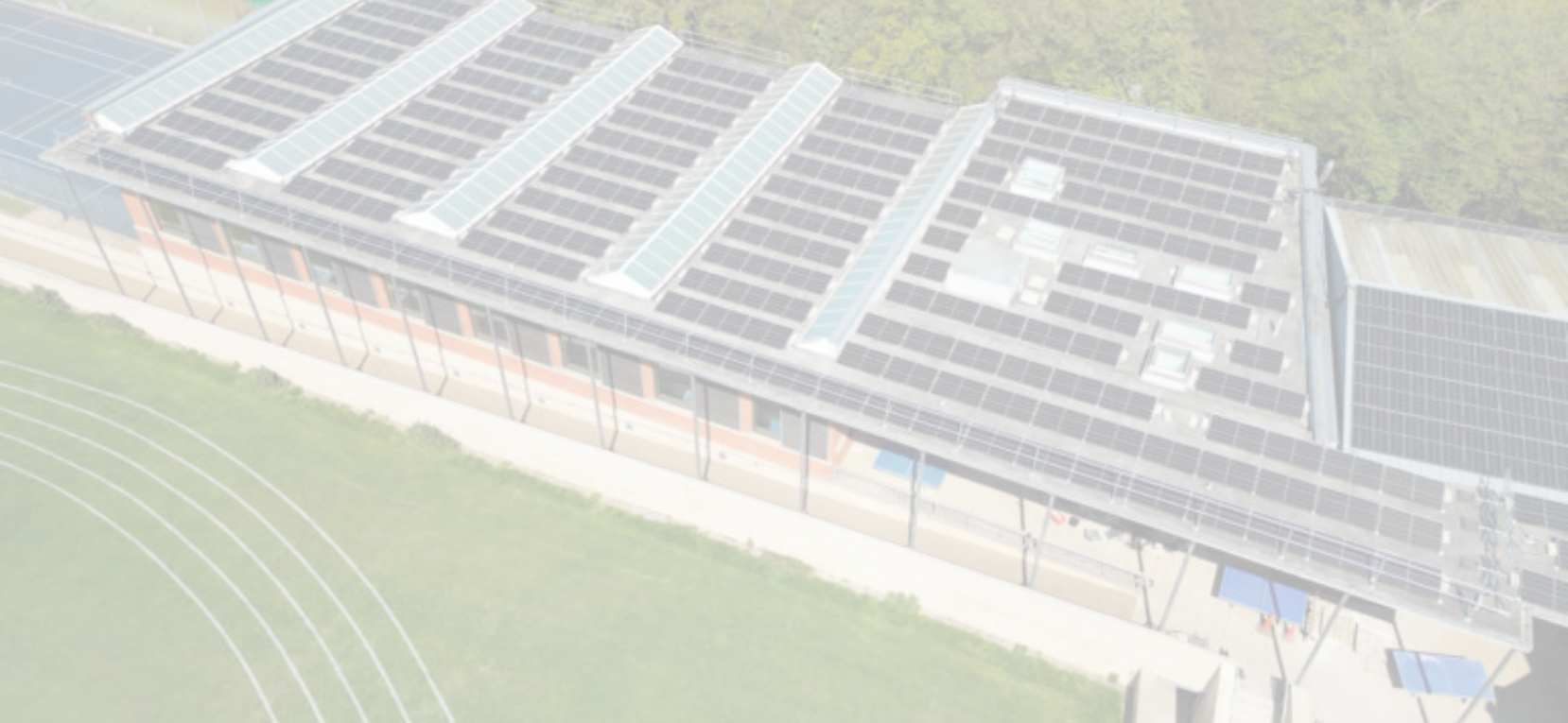
While businesses have little control over these network charges, they do have greater control over how much electricity they need to buy from the grid. That’s one of the reasons commercial solar has become an increasingly attractive investment for organisations looking to reduce long-term operating costs.
Why Are Electricity Standing Charges Increasing?
Electricity bills are made up of more than just the price paid for each kilowatt-hour consumed. Businesses also contribute towards the cost of maintaining, upgrading and expanding the UK’s electricity infrastructure.
As investment continues in renewable generation, electric vehicle infrastructure and network capacity, these charges are expected to remain a significant component of commercial electricity bills.
For many organisations, this means that even if electricity consumption remains unchanged, overall energy costs can still increase as fixed network costs rise.
Combined with ongoing wholesale market volatility, it reinforces the importance of developing a long-term energy strategy rather than relying solely on negotiating better supply contracts.
The Cost of Relying Entirely on the Grid
For many commercial organisations, electricity has become one of the largest controllable operating expenses.
Manufacturers, warehouses, schools, agricultural businesses, offices and logistics operators all rely heavily on electricity to keep their operations running. As fixed network charges and unit prices continue to fluctuate, forecasting future operating costs becomes increasingly difficult.
While businesses cannot avoid network charges altogether, reducing dependence on imported electricity can significantly lower overall energy expenditure.
This is where commercial solar provides a clear financial advantage.
Why Businesses Are Viewing Solar as Risk Management
Commercial solar is no longer viewed simply as a sustainability initiative.
Increasingly, business owners, finance directors and property investors see rooftop solar as a way to manage financial risk by reducing exposure to future electricity price increases.
Generating electricity on-site allows organisations to purchase less electricity from the grid during operating hours, helping to reduce overall energy costs while improving long-term budget certainty.
Rather than being entirely exposed to future market conditions, businesses can generate a significant proportion of their own electricity for more than 30 years.
For many organisations, this transforms solar from a capital purchase into a long-term infrastructure investment.
Flexible Funding Makes Solar More Accessible
One of the biggest changes in recent years has been the availability of flexible commercial funding options.
Businesses no longer need to fund every project entirely through capital expenditure. Depending on the size of the project and the organisation’s financial objectives, a range of funding structures may be available, including Power Purchase Agreements (PPAs), asset finance and other commercial funding solutions.
These options allow many organisations to begin reducing their electricity costs immediately while preserving capital for investment elsewhere in the business.
The right funding model will depend on your operational requirements, cash flow and long-term financial strategy, which is why every project should begin with a detailed commercial feasibility assessment.
Looking Beyond Energy Prices
The benefits of commercial solar extend well beyond reducing monthly electricity bills.
Many businesses also improve their sustainability credentials, strengthen ESG performance, reduce operational carbon emissions and enhance the value of commercial property assets. As energy efficiency becomes increasingly important to occupiers, investors and supply chains, renewable energy infrastructure is becoming a valuable business asset rather than simply a building upgrade.
When combined with battery storage, organisations can further increase self-consumption, reduce reliance on peak-rate electricity and improve overall energy resilience.
Why Businesses Are Acting Now
Commercial solar continues to deliver one of the strongest returns available for many businesses.
With systems typically designed to operate for more than 30 years, organisations can secure decades of renewable electricity while protecting themselves against future market uncertainty.
For businesses already experiencing increasing standing charges, rising electricity prices and pressure to improve sustainability, investing in solar today can deliver immediate savings and long-term financial resilience.
Speak to Silvercrest Energy Group
At Silvercrest Energy Group, we help businesses across the South East design commercial solar systems that are tailored to their energy consumption, operational requirements and investment objectives.
Our team provides detailed feasibility studies, energy modelling, ROI forecasting and guidance on the most appropriate funding options to help you make an informed investment decision.
If your organisation is looking to reduce electricity costs and strengthen long-term energy resilience, contact Silvercrest Energy Group today to arrange a commercial solar assessment.
Frequently Asked Questions
What are electricity standing charges?
Standing charges are fixed costs included within your electricity bill that contribute towards maintaining and operating the UK’s electricity network. They are payable regardless of how much electricity your business consumes.
Can commercial solar reduce electricity bills?
Yes. While solar doesn’t remove standing charges entirely, it significantly reduces the amount of electricity your business needs to purchase from the grid, lowering overall energy costs.
Is commercial solar still worthwhile if electricity prices fall?
In most cases, yes. Commercial solar provides long-term energy cost certainty, protection from future price volatility and ongoing savings throughout the life of the system, which typically exceeds 30 years.
Can businesses install solar without paying the full cost upfront?
Yes. Depending on your circumstances, options such as asset finance and Power Purchase Agreements (PPAs) may allow your business to install commercial solar with little or no upfront capital investment.
How do I know if my business is suitable for commercial solar?
A professional feasibility assessment will evaluate your roof space, electricity consumption, operating hours and financial objectives to determine the most appropriate system size and expected return on investment.