There Are Still Ways to Make Your Farm More Sustainable
For many farmers, government grants can provide valuable support for investing in the future of their businesses, but with funding pots limited and applications highly competitive, not every farm that applies will be successful.
If ’ou’ve recently applied for agricultural funding and been unsuccessful, it can be tempting to put plans for improving your farm’s sustainability on hold.
However, there are other ways to invest in renewable energy, reduce reliance on the grid and potentially lower your farm’s long term energy costs – including solar PV and Power Purchase Agreements (PPAs).
Grant Funding Isn’t the Only Route to a More Sustainable Farm
Agricultural businesses are under pressure from multiple directions. Energy costs, changing weather patterns, input costs and the need to improve resilience all mean that finding ways to operate more efficiently is becoming increasingly important.
Solar energy can form part of that strategy.
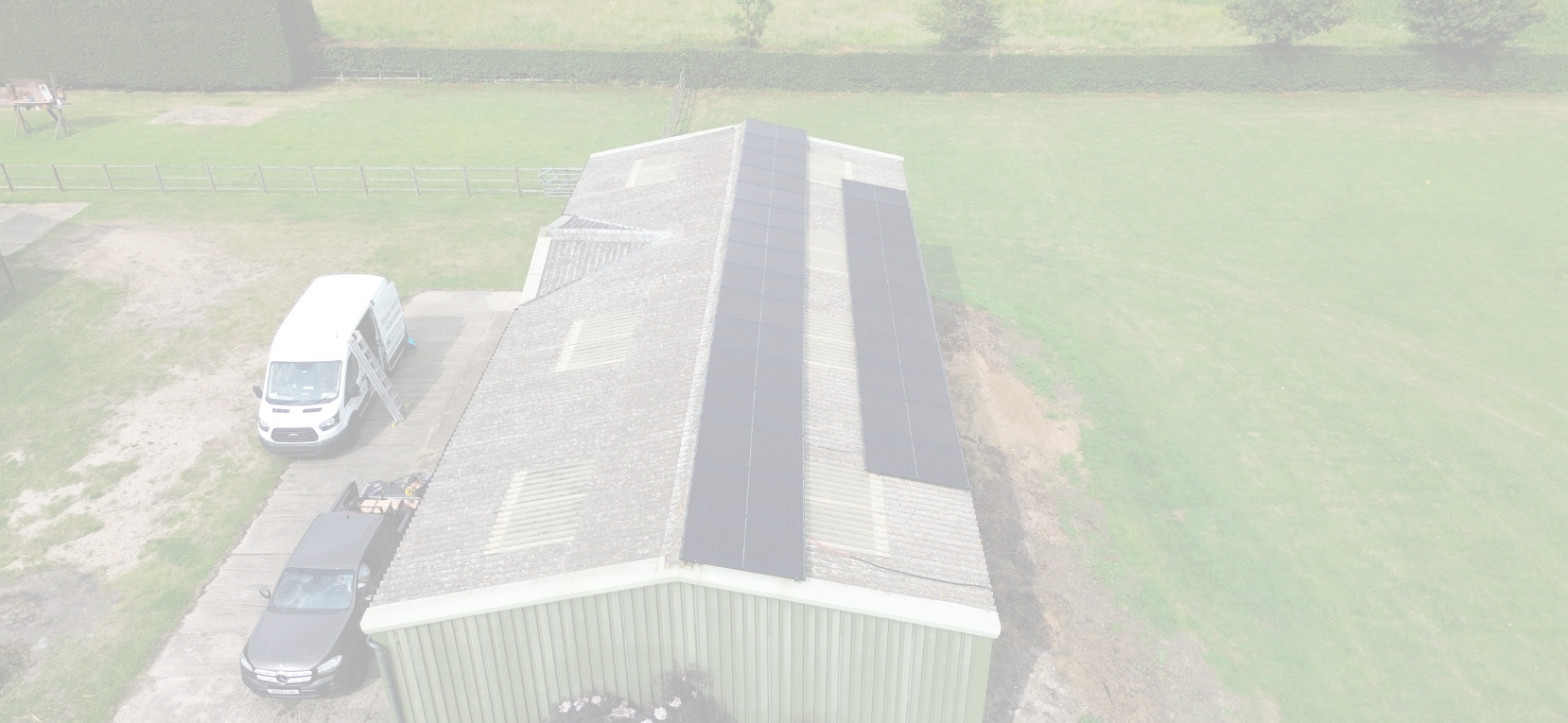
For farms with suitable buildings, land or electricity demand, solar PV can generate renewable electricity on-site, helping to reduce the amount of power that needs to by purchased from the grid.
Unlike a grant application, investing in solar doesn’t necessarily depend on waiting for a particular funding window to open. At Silvercrest Energy Group, we work with commercial and agricultural businesses to assess whether solar could be suitable for their site and energy requirements.
Solar PV for Farms
Farms can have some particularly attractive opportunities for solar generation. Large agricultural buildings such as barns, workshops, warehouses and livestock buildings can provide substantial roof space for solar PV. Depending on the site, ground mounted solar may also be an option.
The electricity generated can be used to power the farm’s own operations, including:
- Milking and refrigeration equipment
- Pumps and irrigation systems
- Ventilation and lighting
- Workshops and machinery
- Cold storage
- Processing and manufacturing equipment
- Offices and other farm buildings
- EV charging and other electrical equipment
Using more of your own generated electricity can reduce your dependence on electricity purchased from the grid. Solar can also complement wider sustainability measures already being undertaken on farms, helping businesses take a more integrated approach to energy efficiency and carbon reduction.
Government planning policy recognises solar PV as an important renewable technology, while also highlighting the need to consider factors such as land quality, landscape, biodiversity and the continued use of agricultural land where appropriate.
What If You Don’t Want to Fund the Installation Yourself?
This is where a Power Purchase Agreement (PPA) could provide an alternative. A PPA can allow a third part investor or developer to finance, install and maintain a solar PV system, with the customer purchasing the electricity generated by the system at an agreed rate – usually much lower than purchasing grid electricity from a supplier.
In some structures, this means the customer can access solar generated electricity without having to fund the entire installation upfront. Solar Energy UK describes PPAs as typically involving long term contracts, with the exact structure – including pricing, term, maintenance responsibilities and ownership – negotiated between the parties.
For a farm with a significant and reasonably consistent electricity demand, this could provide an opportunity to access renewable electricity while reducing exposure to conventional grid electricity prices.
How Could a Farm PPA Work?
A typical arrangement may involve:
Site Assessment
The suitability of your buildings, land, grid connection and electricity consumption would be assessed.
Solar System Design
A system would be designed around the available space and the farm’s energy requirements.
Third-Party Investment
Under an appropriate PPA structure, the solar installation can be financed by the provider rather than requiring the farm to purchase the system outright.
Solar Generation
The system generates renewable electricity on the farm.
Purchase of the Electricity
The farm buys the electricity generated under the agreed PPA terms, potentially at a more predictable or competitive rate than purchasing all of its electricity from the grid.
The precise financial and contractual arrangements vary from project to project, so a detailed assessment is essential before entering into a long term agreement.
Sustainability and Financial Resilience Can Go Hand in Hand
Sustainability doesn’t have to mean simply spending money to reduce emissions. For agricultural businesses, renewable energy can also be considered as part of a wider strategy for long term financial resilience.
Generating electricity on-site can help reduce exposure to external energy markets, while a PPA can provide another route to accessing renewable generation where purchasing the system outright isn’t the preferred option.
For farms with suitable land, solar development can potentially provide another source of income through appropriately structured land agreements or renewable energy projects. Landowners considering renewable energy agreements should, however, take professional advice on matters such as leases, options, rental arrangements, planning and long term obligations.
Don’t Let an Unsuccessful Grant Application Stop the Conversation
Grant funding can undoubtedly help farmers make investments that might otherwise be difficult to justify, but not receiving a grant doesn’t necessarily mean the project isn’t viable.
Solar PV can be assessed as a standalone commercial investment, while a PPA may offer an alternative route where the upfront capital requirement is a significant consideration.
The right approach will depend on factors such as:
- Your annual electricity consumption
- When your farm uses the most electricity
- Available roof or land space
- Existing electrical infrastructure
- Grid connection capacity
- Planning considerations
- Your preferred approach to capital expenditure
- Your longer term plans for the farm
A proper feasibility assessment can establish which options are worth exploring before you commit to anything.
Looking Beyond the Grant
The agricultural sector is continuing to evolve and sustainability is becoming increasingly connected with productivity, energy management and business resilience.
If a grant application hasn’t gone your way, it doesn’t necessarily mean your plans for a more sustainable farm have to stop there.
Solar PV or a Power Purchase Agreement could provide an alternative route to renewable energy – helping your farm generate or access cleaner electricity while potentially reducing its reliance on the grid.
At Silvercrest Energy Group Ltd, we can assess your farm’s energy requirements, available space and commercial objectives to explore whether solar or a PPA could work for your business.
Didn’t get the grant? Don’t put your sustainability plans on hold. Let’s explore what other options could be available for your farm.